The Civil-Law Legal AI Benchmark: Why We Built HAQQ-LAB
Every major legal AI benchmark is common-law; civil law governs 60%+ of the world. HAQQ-LAB: 16 open-source MENA tasks, 4 traps - 0% vs 100% adherence.
This is where we take legal AI apart and test what actually holds up. The section covers model benchmarks, tool reviews, hallucination audits, and the architecture choices that separate a working legal system from a chatbot with a law-firm logo. Start with our 300-prompt benchmark of the best AI for legal work, the field guide to AI lawyer apps in 2026, and our independent legal-AI hallucination audit. If you are evaluating vendors, deciding whether your firm can use AI at all, or trying to read past the marketing, these posts give you the numbers and the failure modes rather than the pitch.
57 articles

Every major legal AI benchmark is common-law; civil law governs 60%+ of the world. HAQQ-LAB: 16 open-source MENA tasks, 4 traps - 0% vs 100% adherence.

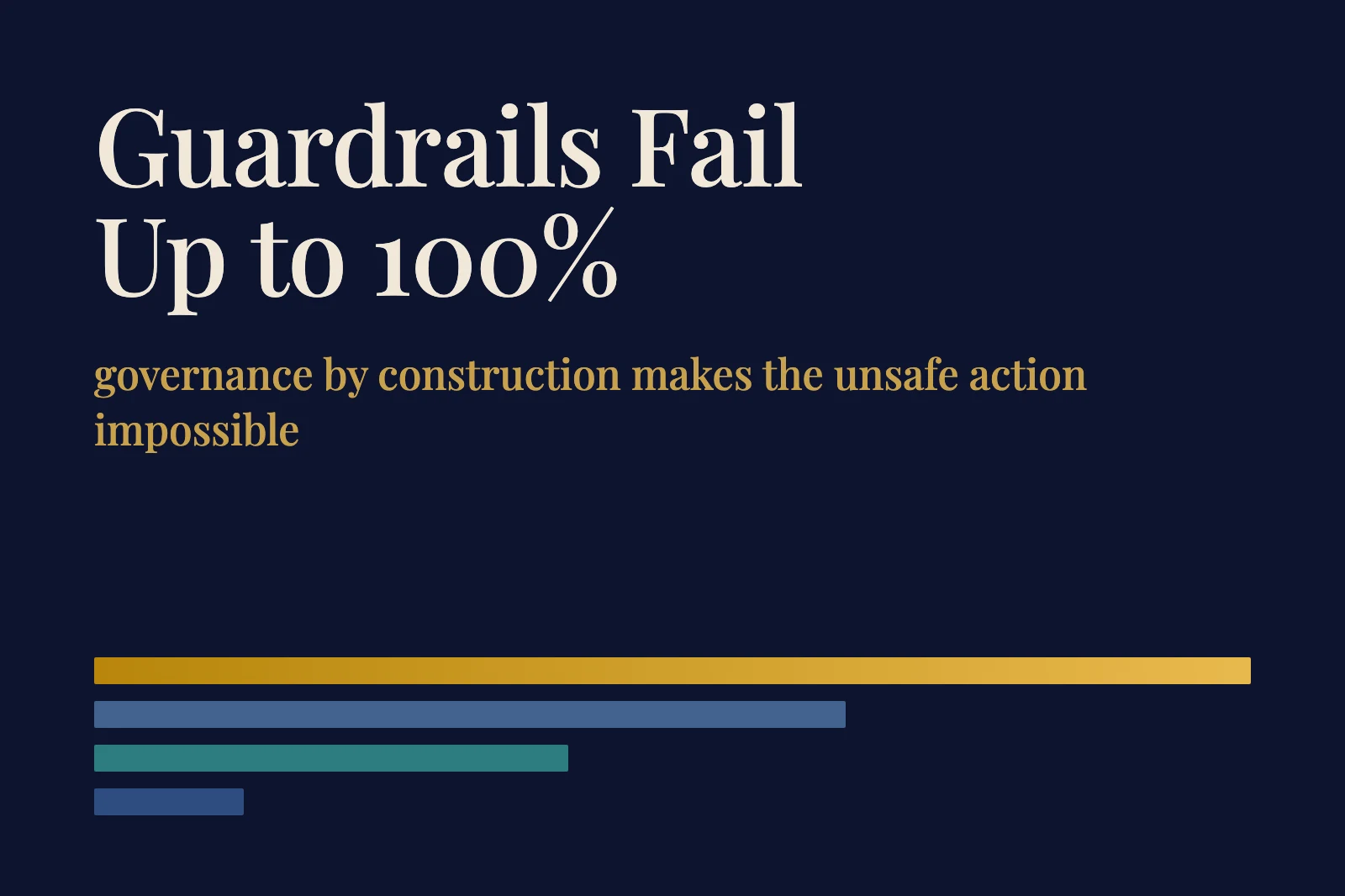
Six popular LLM guardrails were bypassed at 12–100% rates. Governance by construction builds the unsafe action out of the agent - nothing left to evade.

Yes - in most major markets, with duties attached. We tracked 17 jurisdictions: 8 permit with guidance, 2 restrict (EU, Qatar), 7 say nothing at all.

1,598 verified court cases now involve AI-fabricated citations, up from 200 a year ago. Landmark sanctions, the rate curve, and the fix. Updated monthly.

From CourtListener to Mike: the full 2026 map of open source legal software, what HAQQ ships back, and why the real bottleneck is data, not models.

1,313 court proceedings, 496 sanctioned attorneys, five enforcement tracks across 106 countries. The global report on AI hallucinations in law.

Five adversarial NDAs, five prompt-injection payloads, one zero-dependency scanner - all blocked in under 2 ms. How injection hits legal AI and what stops it.

We scored Claude, GPT-4o and Gemini on 100 real legal questions from r/legaladvice. Pass rates 78–88% - and the weakest dimension wasn't accuracy.

Anthropic's legal webinar drew 20,000 registrants and 51 upvoted questions. What lawyers asked about privilege, hallucinations and Claude - answered.

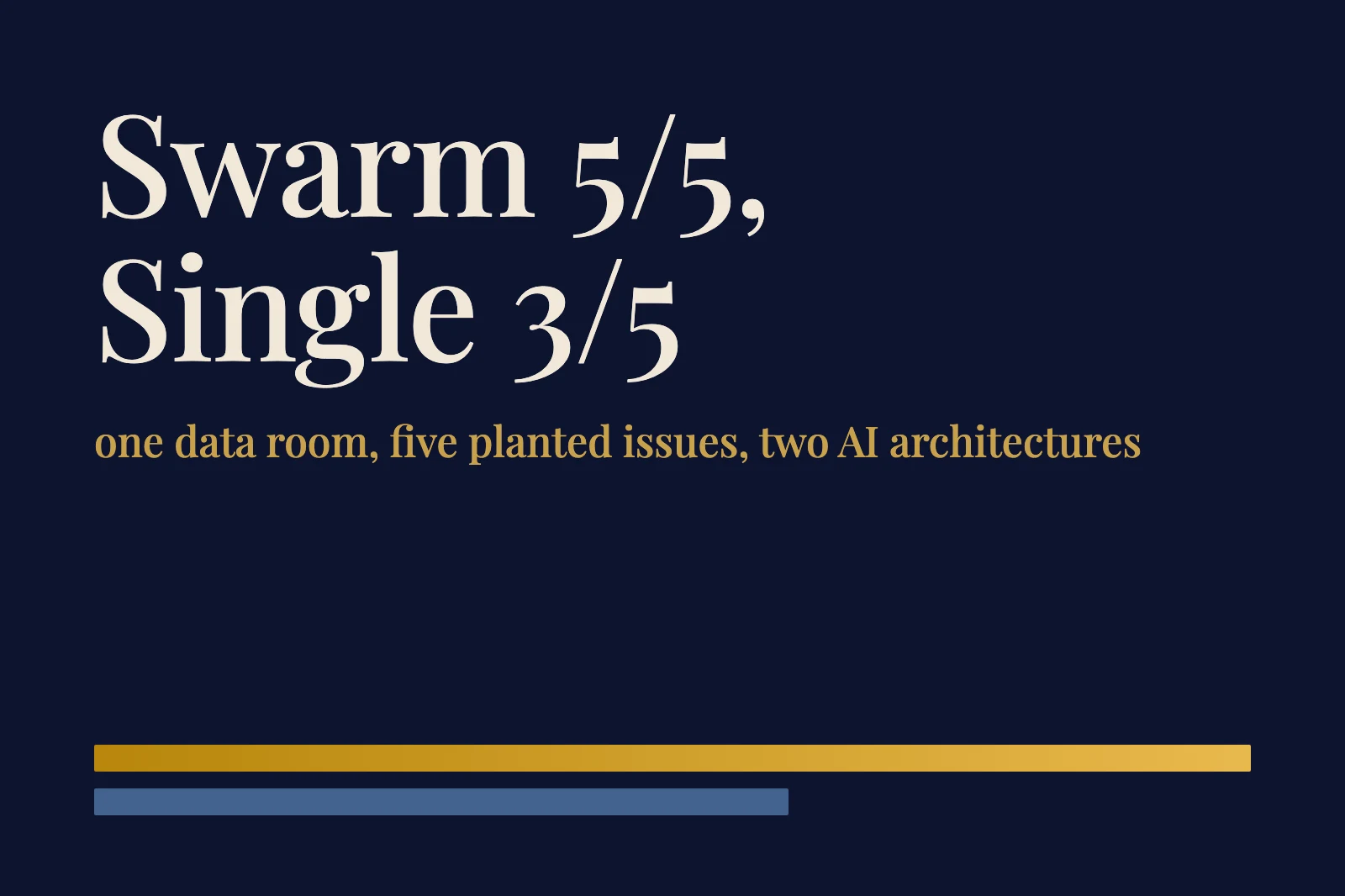
Same model, same 30-doc data room. A single prompt caught 3/5 planted issues; a 3-agent swarm caught 5/5. The misses are structural - here is why.

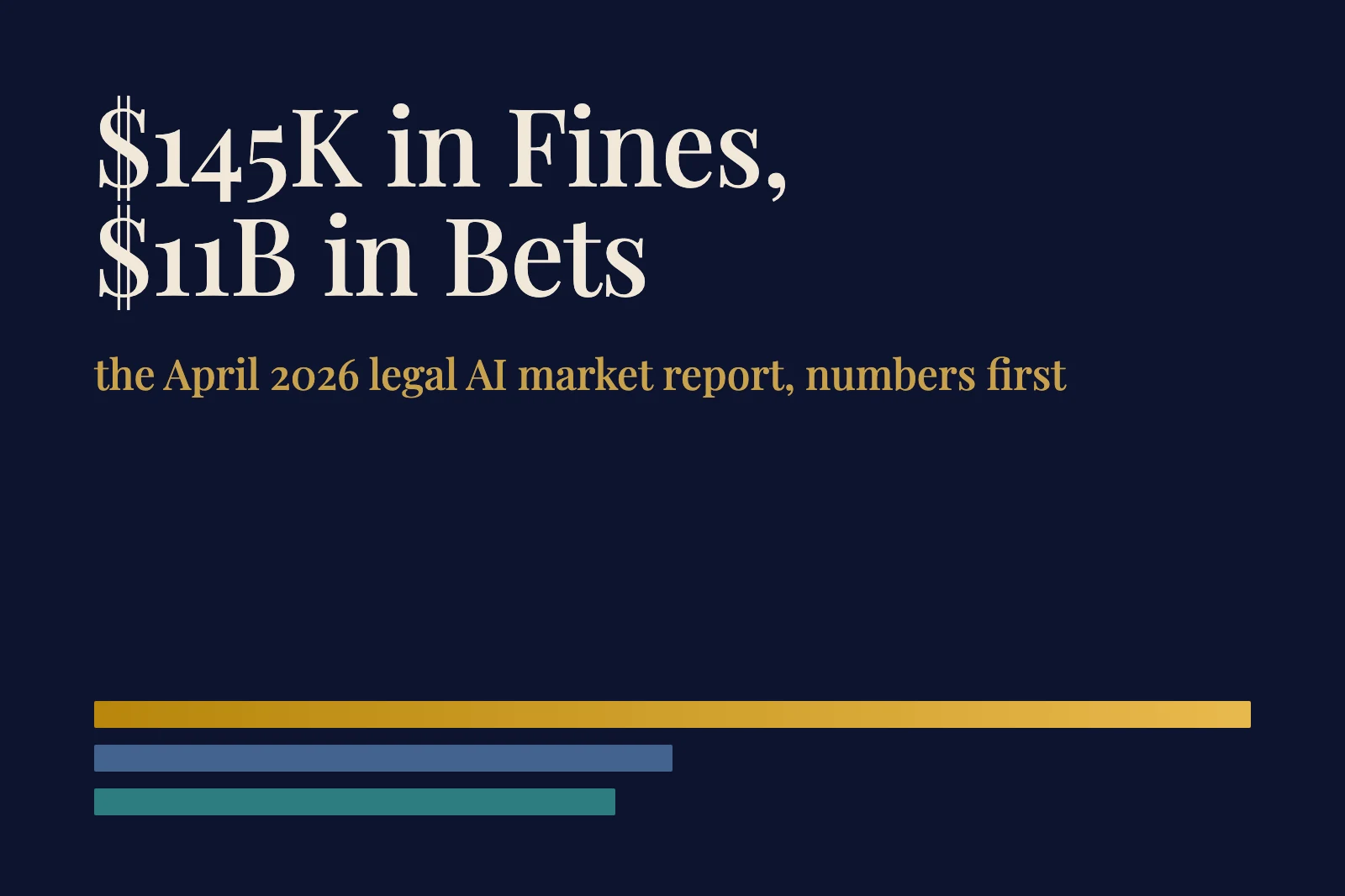
Q1 2026: $145K in AI sanctions, Harvey at $11B, Legora $5.55B, and a ruling that public AI outputs aren't privileged. The full legal AI market report.

1,372 long-horizon legal tasks, 24 practice areas, ~78,000 rubric criteria, all-pass grading. The first legal agent benchmark built for civil law and MENA.

An AI-drafted motion to dismiss costs $1.67 - or $4.55 if you run everything on the biggest model. Where the money goes, stage by stage, and the fix.

Three US attorneys asked how HAQQ differs from ChatGPT. The answer: a 20-page NDA cross-analysis in 90 seconds and an engine that says 'I don't know'.

Claude for Word is genuinely good - but data deleted in 30 days, no audit logs, and a Team/Enterprise paywall matter for law firms. The honest breakdown.

Claude drafted real co-founder and IP agreements; HAQQ found 13 critical issues plus 5 German-law fixes Claude missed. Five rounds, 10 pages to 32.

A legal ontology replaced 300 MCP tools with 7 and cut AI costs from $0.60 to $0.02 per message. Why RAG fails for law, plus the 7-step build playbook.

We ran 3 parallel simulations with 72 AI agents and 1,543 interactions to score legal AI's future: Harvey IPO odds, AI malpractice settlements, BigLaw cuts.

A partner cross-references six years of depositions in 90 seconds with NotebookLM. What AI memory tools do well for lawyers - and where they stop.

We made a frontier model impersonate a legal database. It refused to invent fake cases, then cited a real law for the wrong thing, the hallucination that survives a lawyer's review.

How divorce and family-law attorneys actually use AI across the matter, from intake to court prep, what stays human, and how to pick a tool that does not create a privilege or malpractice problem.

Spellbook is great inside Microsoft Word. For solo, mobile-first or Arabic-speaking lawyers, here are the real alternatives by price, platform and language.

A no-hype map of San Francisco's legal-AI startups in 2026: who they are, what they do, who they're for, and how much they raised, from Harvey to Ivo.

GC AI is built for US in-house teams at $500/seat/month. For solo, small-firm, civil-law or Arabic-speaking lawyers, here is an honest alternative.

Eve is an operating system for US plaintiff injury firms. If you practice outside US litigation, here is the alternative built for you.

Ivo is enterprise contract review in Word at ~$6,000/seat/year. For solo, small-firm and multilingual lawyers, here is a mobile-first alternative.

Onit and HAQQ surface in the same searches but solve different problems. An honest comparison of Enterprise Legal Management vs an AI-native legal assistant - and which one you actually need.

An independent CoCounsel review backed by published benchmark scores: pricing, the Westlaw lock-in reality, and the best CoCounsel alternatives for 2026.

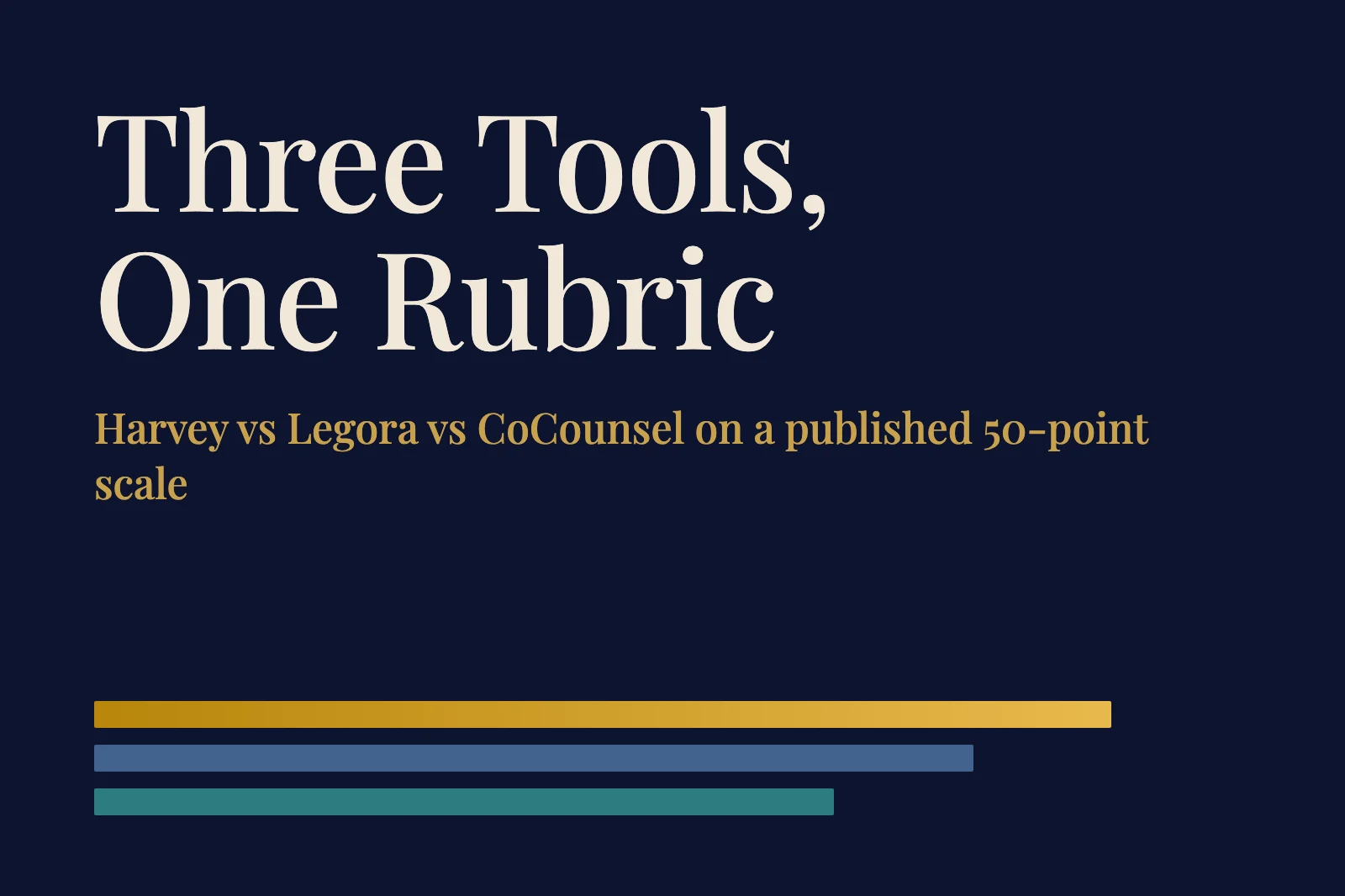
We scored Harvey, Legora, and CoCounsel on one published 50-point rubric: Harvey 38, CoCounsel 37, Legora 35. Closer to each other than to the top.

Lexis+ AI review vs Westlaw CoCounsel, scored on an independent 50-point benchmark. Lexis wins research (41), CoCounsel wins drafting. Pricing and the gap.

AI is replacing paralegal tasks, not paralegals. The data on what AI does well, what it fails at, and what paralegals should learn to stay valuable.

The only Harvey AI review with published benchmark scores: 38/50 vs HAQQ's 49/50. What Harvey does well, what it really costs, and alternatives by use case.

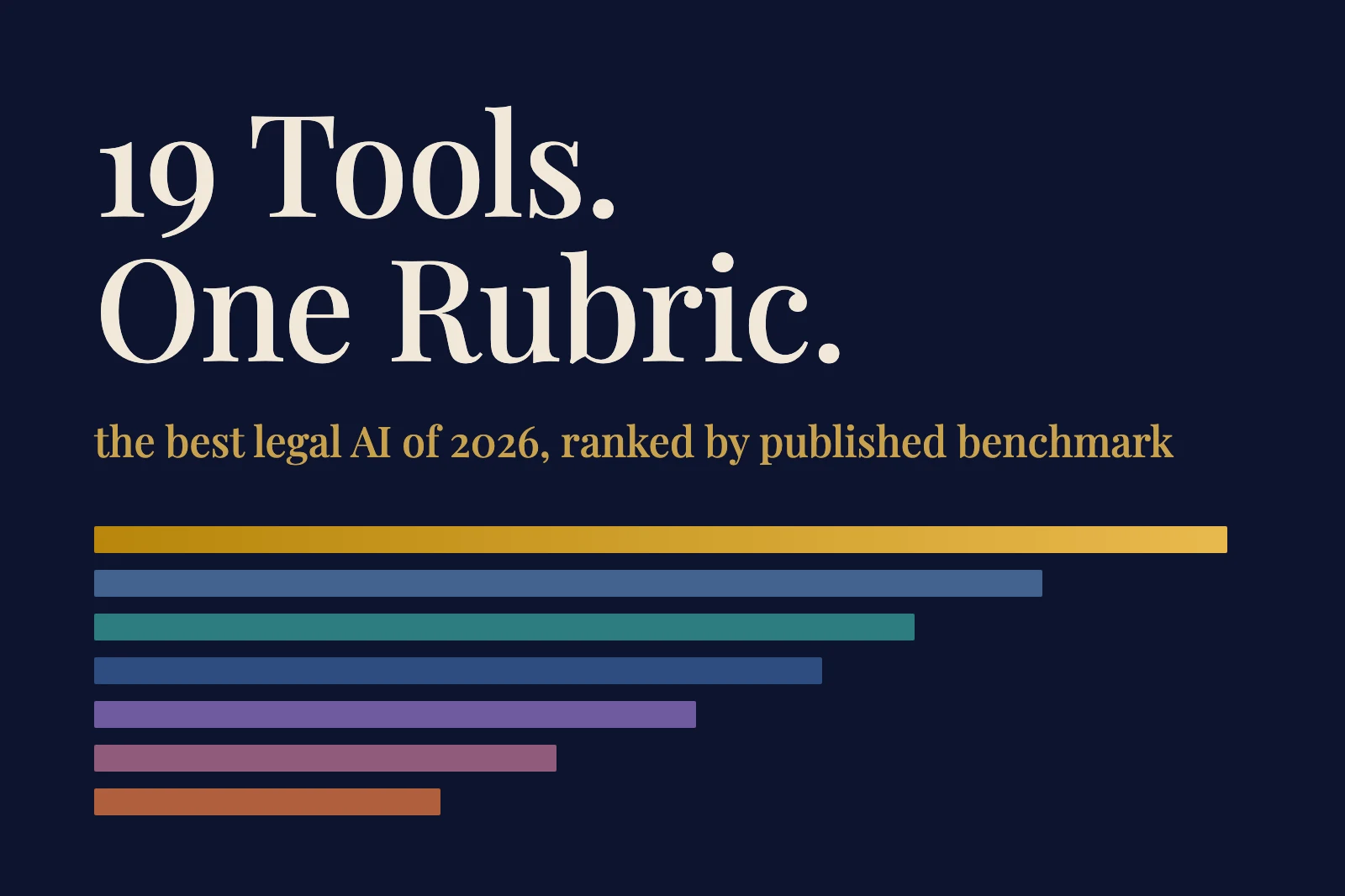
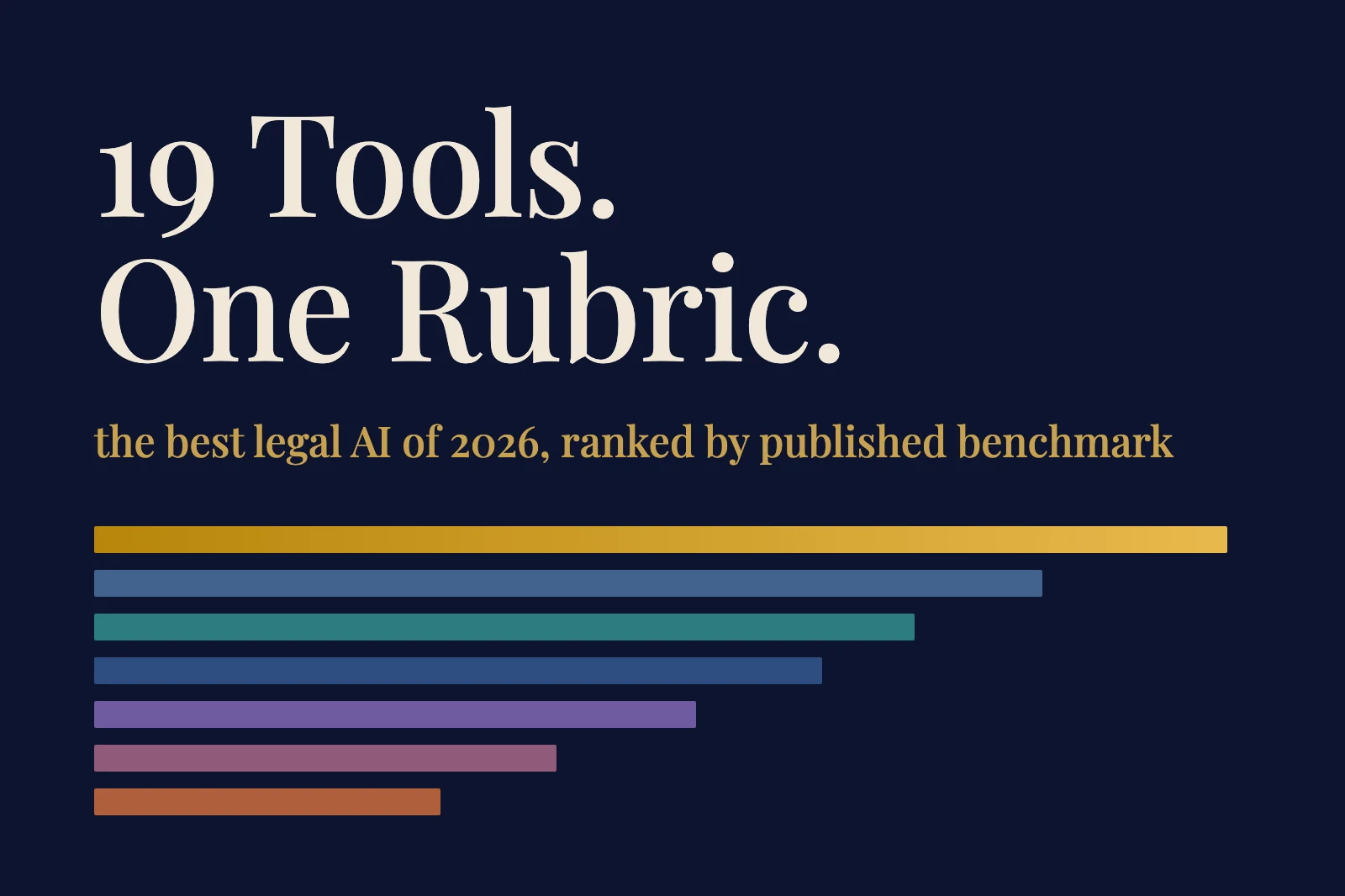
We scored 19 legal AI tools and frontier models on a published 50-point benchmark. The full ranking, what each tool is for, and why most lists lie.

How many lawyers use AI in 2026? Between 26% and 92%, depending who you ask. 38 verified legal AI statistics, plus benchmark data nobody else has.

We graded 3,000 answers from 10 frontier models on 300 legal tasks. Claude Opus wins, GPT-5.5 is most accurate - and 24% cite law that doesn't back them.

We mapped all ~110 consumer AI lawyer apps - ratings, pricing, jurisdictions, and what AI is inside. Only 1 of 110 discloses its model. The honest list.

Spellbook vs HAQQ in 2026: what the Word add-in does well, where document-level AI stops, and how to choose between a contract copilot and a legal OS.

Independent Legora review for 2026: indicative pricing, the LLM stack, who owns it, and how it compares with HAQQ, Harvey, Spellbook and CoCounsel.

We ran the same NDA review on ChatGPT and HAQQ. One returned commentary; the other an 11-page exportable risk report. ChatGPT itself scored the winner.

Legal AI plugins handle tasks - contract review, NDA triage, clause drafting. Here is where browser and Word plugins stop, and what a legal OS adds on top.

Why multi-agent architectures beat single-LLM tools at legal work: task routing, jurisdiction-aware retrieval, citation verification, structured output.

Ten types of legal work, each with different risk and AI fit - from drafting to advocacy strategy. The map to read before buying any legal AI tool.
Which LLM should write your legal articles? We ranked the three Legal GPTs, Claude with the legal plugin, and purpose-built legal AI - with prompts that work.
RAG chunking destroys legal document structure. How knowledge graphs, span-level search and extractive entity linking power portfolio-scale review.

Intake, scheduling and first drafts are automating fast. Where legal AI workflows break - the compliance wall, the last mile - and what works instead.

Most legal tech implementations fail - and it's rarely the software. The configuration trap, six human pitfalls, and the framework winning firms use.

What human-in-the-loop means in legal AI, the five failure modes only lawyers catch, and how to design oversight that satisfies EU AI Act and ABA rules.

We built a working A* litigation planner in 517 lines - then refused to use it. The four gates any AI planner must pass before touching a real matter.

Claude's legal plugin didn't replace the legal stack - it exposed the weak layer. What it actually replaces, what it can't touch, and where it fits.

Nippon Life v. OpenAI: a $10M suit alleging ChatGPT practised law without a licence, cited a fake case and told a claimant to fire her attorney.

A federal judge ruled 31 AI-generated documents are not privileged. Why AI chats are discoverable, and what lawyers must change in engagement letters now.

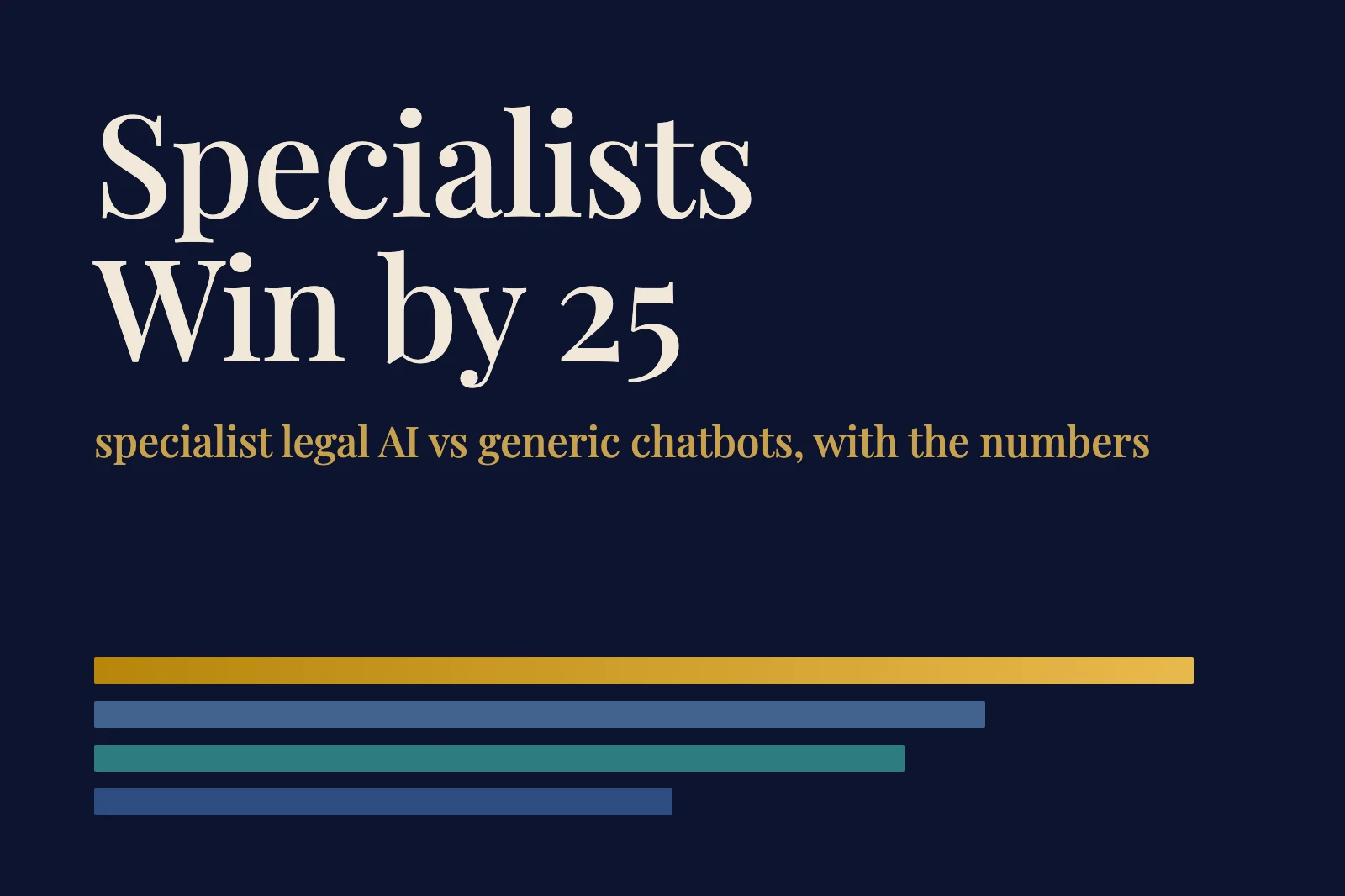
Specialist legal AI beat lawyer baselines 94.8% vs 70.1% on document Q&A. Generic chatbots hallucinate and leak data. The gap, and who it hurts most.

We plugged an autonomous AI agent into HAQQ's prompt library to draft a cross-border JV contract. It scored 99% on our internal legal quality index.

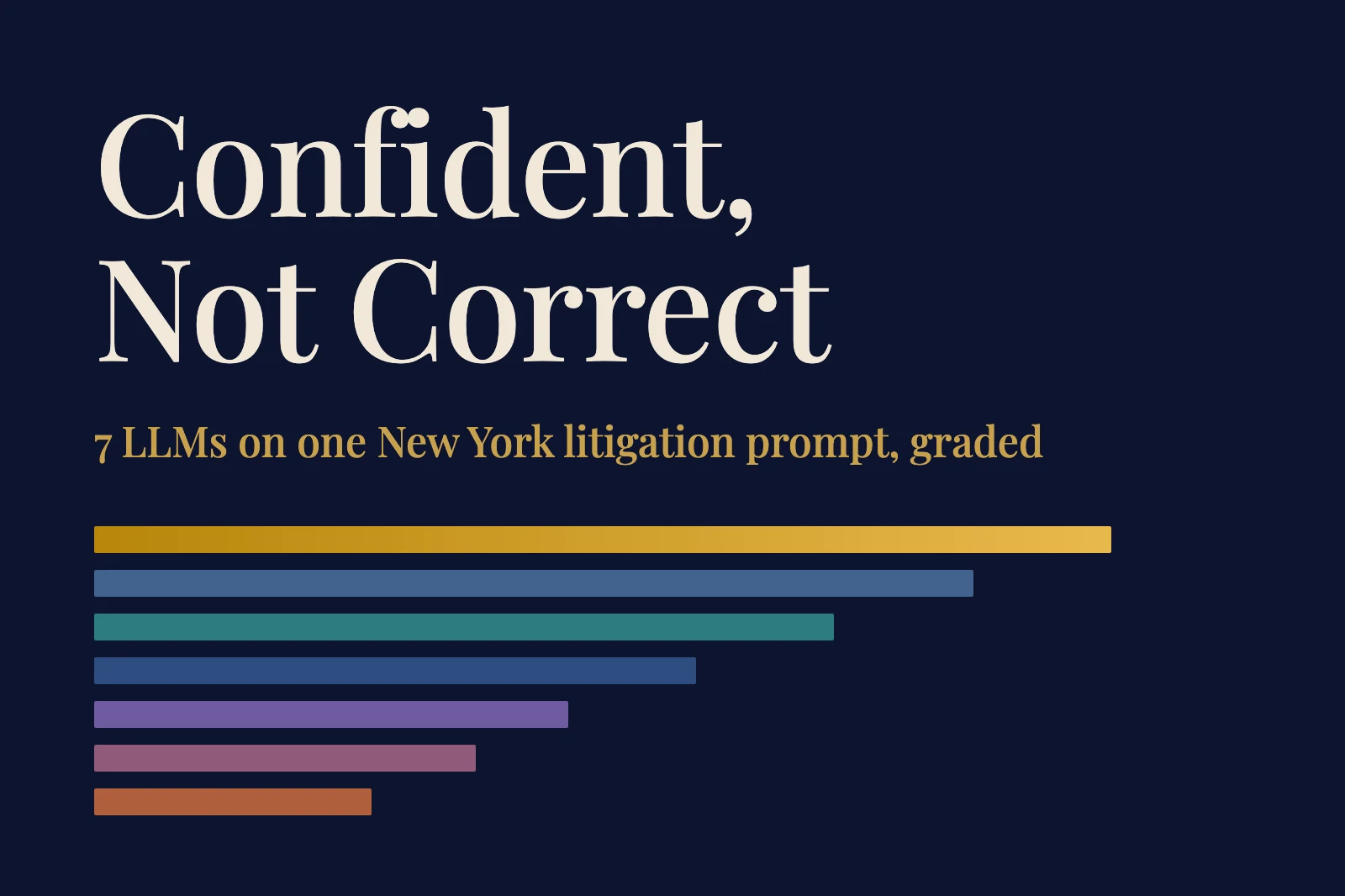
Seven AI models, one $250,000 unpaid-invoice prompt under New York law. Most sounded confident; few got CPLR procedure and collection strategy right.

Four trends reshaping legal work in 2026: AI-embedded workflows, shared knowledge, security as table stakes, and the end of pure hourly billing.

A Legal AI Twin built to draft, analyze, and manage legal work the way real lawyers do. HAQQ Legal AI Chat is the intelligence layer of the HAQQ platform.

Law firms differ in workflows, jurisdictions and drafting style, yet most legal software ships rigid. How HAQQ reshapes itself around your firm's work.