TL;DR - نعم، في معظم الأسواق الرئيسية، يمكن للمحامين استخدام الذكاء الاصطناعي، ولكن مع التزامات الكفاءة والسرية والتحقق المرفقة. عبر الـ17 ولاية قضائية في هذا المتتبع: 10 تسمح بتوجيهات رسمية، 1 تفرض واجبات تحقق تنفذها المحاكم (قطر)، 6 لم تتناول الأمر رسميًا. معظم دول الشرق الأوسط وشمال إفريقيا (MENA) تقع ضمن المجموعة الصامتة - وسيقوم المتبنون الأوائل والمسؤولون بتحديد المعيار.
الإجابة المختصرة
هل يمكن للمحامي استخدام الذكاء الاصطناعي؟ في كل سوق قانوني رئيسي تقريبًا، نعم - شريطة أن يتعاملوا مع المخرجات كمسودة، وليس كنبؤة. الموضوع المتكرر لدى كل جهة تنظيمية تحدثت هو نفسه: الذكاء الاصطناعي لا يقلل من واجبات المحامي الحالية. لا يزال عليك تجاه العميل الكفاءة والسرية وواجب التحقق. تتغير الأداة؛ لكن المسؤولية لا تتغير.
حقائق أساسية
- عبر 17 ولاية قضائية تمت متابعتها: 10 تسمح باستخدام المحامي للذكاء الاصطناعي بتوجيهات رسمية، 1 تفرض واجبات تحقق تنفذها المحاكم (قطر)، 6 لم تتناوله.
- التوجيه الإجرائي رقم 1 لسنة 2026 الصادر عن محكمة قطر الدولية ومركز تسوية المنازعات (QICDRC) يشترط التحقق من كل استشهاد بالرجوع إلى المصادر الأولية - لكنه لا يُلزم المحامين بالإفصاح عن استخدام الذكاء الاصطناعي ما لم تطلب المحكمة ذلك.
وضعت نقابة المحامين الأمريكية النموذج مع الرأي الرسمي رقم 512 في عام 2024: فهم حدود الأداة، حماية سرية العميل، التحقق من المخرجات، والفوترة بشكل معقول. معظم الجهات التنظيمية الأخرى التي تبعتها تردد نفس الصدى. القصة المثيرة للاهتمام ليست الإجماع - بل هي خريطة الأماكن التي لم تقل فيها الجهات التنظيمية شيئًا على الإطلاق.
المتعقب: 17 ولاية قضائية
أجرينا عمليات بحث حية عبر 17 ولاية قضائية وصنفنا كل منها على أنها مسموح بها بتوجيهات، أو مقيدة، أو لم يتم تناولها رسميًا بعد. كل تصنيف يعود إلى أداة تنظيمية أو غيابها الموثق.
| الاختصاص القضائي | الوضع | الأداة التنظيمية |
|---|---|---|
| الولايات المتحدة | مسموح | الرأي الرسمي 512 لنقابة المحامين الأمريكية (2024) مع آراء نقابات الولايات |
| المملكة المتحدة | مسموح | إرشادات جمعية القانون ومجلس المحاماة (2025–26) |
| الاتحاد الأوروبي | مسموح | لا قاعدة نقابية؛ تصنيف قانون الذكاء الاصطناعي عالي المخاطر يشمل الاستخدام القضائي لا أدوات المكاتب (2 كانون الأول 2027) |
| فرنسا | مسموح | دليل أخلاقيات المهنة الصادر عن المجلس الوطني للمحامين (آذار 2026) |
| ألمانيا | مسموح | دليل نقابة المحامين الاتحادية حول الذكاء الاصطناعي في المكاتب (كانون الأول 2024) |
| كندا | مسموح | نقابات ألبرتا وأونتاريو وكولومبيا البريطانية (2024–26) |
| أستراليا | مسموح | جمعيات القانون وقواعد جنوب أستراليا والمحكمة الفدرالية (2026) |
| البرازيل | مسموح | توصية نقابة المحامين 001/2024 وقرار المجلس الوطني للعدالة 615/2025 |
| سنغافورة | مسموح | دليل وزارة القانون للذكاء الاصطناعي التوليدي في القطاع القانوني (آذار 2026) |
| الهند | غير معالج | لا قاعدة من مجلس المحاماة؛ إشعار من المحكمة العليا (شباط 2026) |
| قطر | مقيّد | التوجيه الإجرائي 1/2026 لمركز قطر للتسوية والتحكيم، التحقق من الاستشهادات |
| الإمارات العربية المتحدة | مسموح | إرشادات محاكم DIFC رقم PGN 2/2023؛ عقوبة الرسوم الصادرة عن ADGM (2025) |
| المملكة العربية السعودية | غير معالج | إرشادات سدايا فقط؛ لا قاعدة نقابية |
| مصر | غير معالج | فعالية تدريبية للنقابة (كانون الأول 2025)؛ لا قاعدة |
| لبنان | غير معالج | لجنة الذكاء الاصطناعي في نقابة بيروت ومذكرة تفاهم 2026؛ لا قاعدة |
| الأردن | غير معالج | قوانين التقنية والبيانات فقط؛ لا قاعدة نقابية |
| المغرب | غير معالج | لم يُعثر على إرشاد من النقابة أو المحاكم |
الإحصاء: 10 تسمح بتوجيهات، 1 تقيّد، 6 لم تتناول الأمر. الصمت ليس إذنًا، وليس حظرًا - إنه عدم يقين يجب على المهنة أن تتعامل معه بدون خريطة.
المشهد في منطقة الشرق الأوسط وشمال إفريقيا
هل استخدام المحامين لـ ChatGPT أخلاقي؟ واجب الكفاءة
السؤال الذي يكتبه المحامون فعلياً في شريط البحث أضيق من 'هل يمكن للمحامين استخدام Legal AI؟'. إنه 'هل من القانوني للمحامين استخدام ChatGPT؟'، والإجابة الصريحة هي: نعم، ولكن المعايير قد تغيرت. في الولايات المتحدة، لا يُحظر استخدام روبوت محادثة للأغراض العامة. ما هو محظور هو استخدامه بشكل سيء. لم تكتب نقابة المحامين الأمريكية قاعدة جديدة لـ Legal AI؛ بل وجهت قواعد السلوك المهني النموذجية الحالية نحوه. الرأي الرسمي رقم 512 لنقابة المحامين الأمريكية، الصادر في 29 يوليو 2024، يحلل الأمر من خلال القاعدة 1.1 (الكفاءة)، والقاعدة 1.6 (السرية)، والقاعدة 5.3 (الإشراف على المساعدة غير المحامية)، والقاعدة 3.3 (الصدق أمام المحكمة)، وقواعد الرسوم المعقولة.
الكفاءة هي الأمر الذي يقلل معظم المحامين من شأنه. ينص الرأي 512 على أن المحامي يجب أن يفهم 'فوائد ومخاطر' الأداة قبل استخدامها، ويضيف سطراً يتجاهله معظم الناس: هذه ليست خانة يتم تحديدها لمرة واحدة. بعبارة نقابة المحامين الأمريكية، 'تفترض الكفاءة التكنولوجية أن يظل المحامون يقظين بشأن فوائد ومخاطر الأدوات'، لأن الأدوات تتغير باستمرار. المحامي الذي لا يستطيع أن يشرح، بعبارات واضحة، أن روبوت المحادثة الموجه للمستهلكين يولد نصوصاً معقولة بدلاً من استرجاع قوانين موثوقة، ليس مؤهلاً بعد لاستخدامه في قضية عميل. هذا ليس رأينا. هذا هو الإطار الذي اختاره المنظم.
بحلول مارس 2026، أصدرت أكثر من 35 نقابة محامين في الولايات المتحدة إرشاداتها الخاصة بـ Legal AI، وهي تردد نفس المبدأ الأساسي: فهم الأداة، حماية العميل، التحقق من المخرجات، الفوترة بصدق. النمط مطابق لما توصل إليه كل منظم في متتبعنا أعلاه. الأداة مسموح بها. الواجب غير قابل للتفويض. يمكنك أن تسند الكتابة إلى نموذج؛ لكن لا يمكنك أن تسند إليه المسؤولية.
خطر السرية: ChatGPT الموجه للمستهلكين مقابل أداة من الفئة القانونية
هذا هو المكان الذي تتحول فيه عبارة 'هل يمكنني استخدام ChatGPT' بهدوء إلى 'هل يجب علي ذلك'. الواجب الأصعب الوحيد الذي يجب على روبوت المحادثة تلبيته هو السرية بموجب القاعدة 1.6. الرأي 512 واضح في هذا الشأن: نظراً لأن العديد من أدوات Legal AI ذاتية التعلم 'مصممة بحيث يمكن أن تؤدي مخرجاتها بشكل مباشر أو غير مباشر إلى الكشف عن معلومات تتعلق بتمثيل العميل'، يجب على المحامي الحصول على موافقة العميل المستنيرة قبل إدخال تلك المعلومات في مثل هذه الأداة. ليس سطراً مدفوناً في خطاب ارتباط. تشير نقابة المحامين الأمريكية تحديداً إلى أن الموافقة النمطية 'قد لا تكون كافية'.
السبب معماري، وليس قانونياً. في ChatGPT الموجه للمستهلكين (المجاني و Plus)، الإعداد الافتراضي هو أن OpenAI قد تحتفظ بموجهاتك وتستخدمها لتدريب نماذجها ما لم تقم بإيقاف ذلك، وعادةً ما يتم الاحتفاظ بالمحادثات لفترة بغض النظر عن تبديل التدريب. الشيء نفسه ينطبق على Claude و Gemini الموجهين للمستهلكين. إلغاء الاشتراك في التدريب لا يلغي حق المزود في الاحتفاظ بالبيانات أو الكشف عنها استجابة لإجراء قانوني. لحظة وصول مواد العميل إلى تلك البنية التحتية، تكون قد شاركت على الأرجح اتصالاً محميًا بامتياز مع طرف ثالث لا يدين لعميلك بأي شيء.
هذا الخطر ليس نظرياً. في حكم صادر عن المحكمة الفيدرالية للمنطقة الجنوبية لنيويورك عام 2026، قضت المحكمة بأن المستندات التي أنشأها أحد المتقاضين باستخدام أداة Legal AI موجهة للمستهلكين وتمت مشاركتها لاحقاً مع المحامي لم تكن محمية بامتياز ولا كمنتج عمل - أداة Legal AI ليست محامياً، ولا تحمل ترخيصاً، ولا تدين بواجب السرية. نوضح تفاصيل هذا القرار في مقالنا حول لماذا محادثات Legal AI ليست سرية.
أداة من الفئة القانونية تسد الفجوة بالعقد والتصميم. المستويات المؤسسية والتجارية (ChatGPT Enterprise، خطط Claude التجارية) تستبعد مدخلاتك من التدريب افتراضياً وتُلحق بها سرية تعاقدية. تتجاوز المنصات القانونية المصممة خصيصاً ذلك: اتفاقيات عدم الاحتفاظ بالبيانات مع مزودي النماذج، إبقاء المواد المشمولة بالامتياز تحت سيطرة المكتب، وسجل تدقيق لما فعلته Legal AI وما وافق عليه الإنسان. الفارق الذي يهم ليس 'Legal AI مقابل لا Legal AI'. إنه 'أداة يمكنك تقديم ضمان سرية بشأنها مقابل منتج استهلاكي مجاني حيث، عندما تكون الأداة مجانية، تكون بيانات عميلك هي المنتج'.
الخلاصة: روبوت المحادثة المجاني الموجه للمستهلكين يمكن أن يفي بواجب الكفاءة لديك بعناية، لكنه يكافح لتلبية واجب السرية على الإطلاق - فشروطه الافتراضية توجه بيانات عميلك إلى طرف ثالث لا يدين لهم بأي شيء. الأداة من الفئة القانونية هي التي تسمح لك بالموافقة على كلا الواجبين.
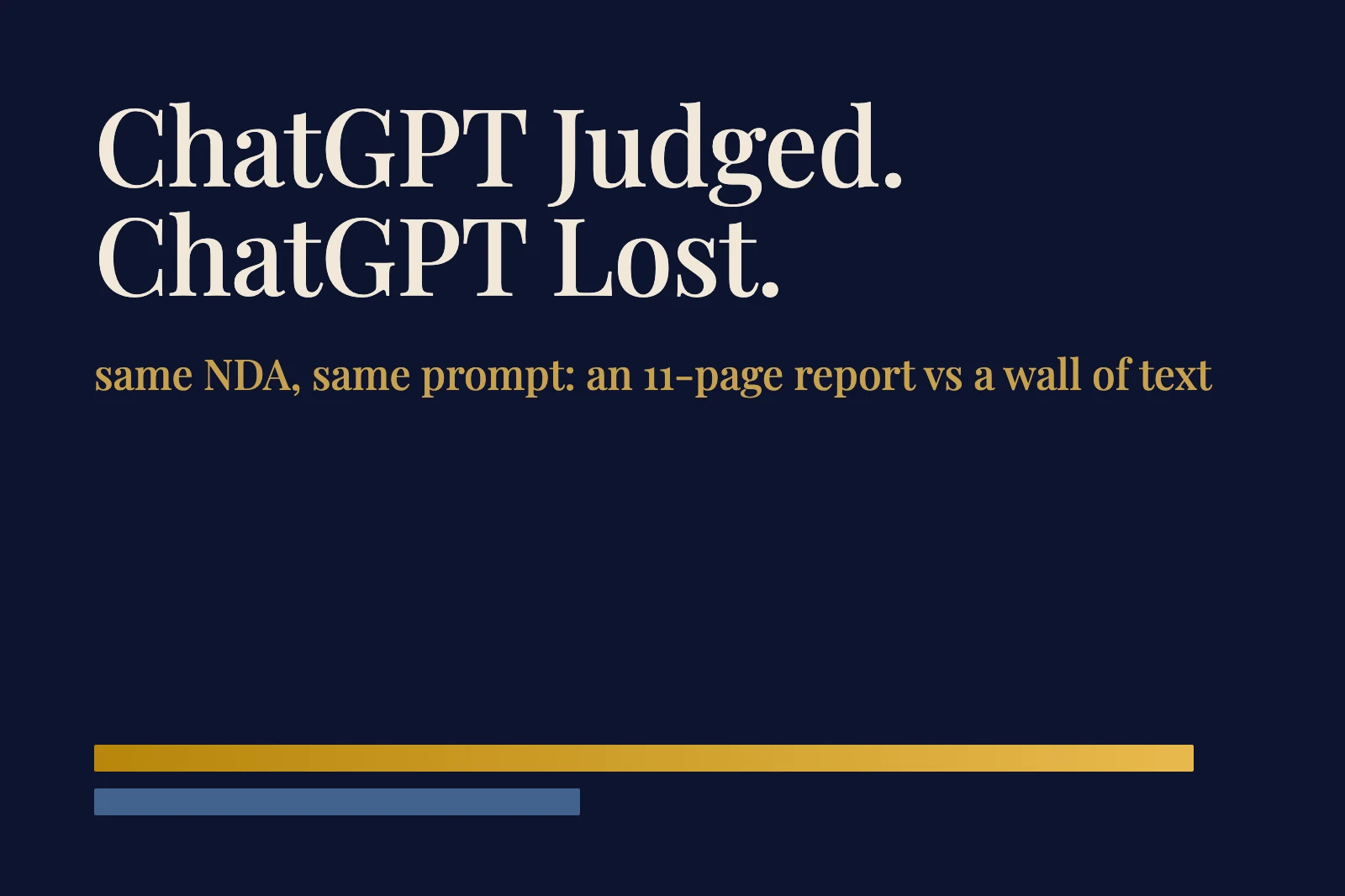
لقد اختبرنا كيف يبدو هذا عمليًا: مراجعة اتفاقية عدم الإفصاح نفسها التي أجريت على ChatGPT و Legal AI مصمم خصيصًا، و أين تقصر برامج الذكاء الاصطناعي العامة عن أدوات الذكاء الاصطناعي القانونية المتخصصة.
الخليج أبعد شوطًا مما توحي به العناوين، وليس بالترتيب الذي تفترضه معظم الملخصات. التوجيه الإجرائي رقم 1 لسنة 2026، الصادر عن محكمة قطر الدولية ومركز تسوية المنازعات (QICDRC) في 6 كانون الثاني 2026، هو الأداة التنظيمية الأكثر استشهادًا بها في المنطقة - لكن محاكم مركز دبي المالي العالمي (DIFC) سبقته بعامين، بمذكرة إرشادية سارية منذ كانون الأول 2023. وفي مسألة الإفصاح يسير الاثنان عكس المتوقع: تطلب محاكم DIFC من الأطراف الإفصاح عن استخدام الذكاء الاصطناعي في أقرب فرصة، بينما تنص الفقرة 24 من التوجيه القطري على أن الإفصاح المسبق غير مطلوب ما لم تطلبه المحكمة تحديدًا. أما ما تفرضه قطر دون قيد أو شرط فهو التحقق - مراجعة كل استشهاد بالرجوع إلى المصادر الأولية أو إلى قاعدة بيانات قانونية معتمدة. لقد انبثق ذلك من قضية فعلية، وليس من مركز أبحاث.
في أماكن أخرى، الصورة متفاوتة. لا يملك سوق أبوظبي العالمي (ADGM) توجيهًا إجرائيًا خاصًا بالذكاء الاصطناعي، لكن محكمته الابتدائية أمرت في كانون الأول 2025 إحدى الشركات بدفع 282,508 درهم إماراتي كرسوم تعويضية لتقديمها مراجع من إنتاج الذكاء الاصطناعي دون التحقق منها - إنفاذ بموجب قواعد السلوك القائمة لا بأداة تنظيمية جديدة. ولدى المملكة العربية السعودية إرشادات SDAIA الموجهة إلى حوكمة الذكاء الاصطناعي عمومًا؛ وقد قرأنا قواعد السلوك المهني للمحامين وتعديلها لعام 2024 فلم نجد في أي منهما حكمًا يتعلق بالذكاء الاصطناعي. لدى نقابة المحامين في بيروت لجنة للذكاء الاصطناعي ومذكرة تفاهم مع الحكومة اللبنانية عام 2026. أقامت نقابة المحامين المصرية فعالية تدريبية بعنوان 'الذكاء الاصطناعي التوليدي للمحامين' في أواخر عام 2025. بالنسبة للمغرب والأردن، وجدنا وعيًا ولكن لا شيء موجهًا للمحامين.
بالنسبة لمنطقة صُمم HAQQ لها، هذه هي الفرصة الكاملة: في الأسواق التي لم يتم فيها تدوين المعايير بعد، فإن الشركات التي تتبنى الذكاء الاصطناعي بمسؤولية الآن ستحدد المعيار الذي سيقاس عليه الآخرون.
جرّب HAQQ AI مجاناً
اختبر الصياغة والبحث القانوني بالذكاء الاصطناعي
ماذا يعني ذلك
'هل هو مسموح به؟' هو السؤال الخاطئ للتوقف عنده. يقول كل مشرّع تحدث نفس الشيء بكلمات مختلفة: يمكنك استخدام الذكاء الاصطناعي، وتبقى مسؤولاً مسؤولية كاملة عن النتيجة. لذا فإن السؤال الحقيقي هو ما إذا كانت أدواتك تجعل هذه المسؤولية سهلة الأداء - مراجع يمكنك التحقق منها، سرية يمكنك ضمانها، سجل لما فعله الذكاء الاصطناعي وما وافق عليه الإنسان.
هذا هو الرهان الذي عقدناه مع HAQQ: ابنوا للواجب، لا حوله. لقد بدأ مشرّعو الخليج بالفعل في كتابة هذه القواعد، وكل أداة تنظيمية صدرت حتى الآن تشير إلى الاتجاه نفسه - تحقق من المخرجات، واحتفظ بالمسؤولية. والأدوات المبنية حول التحقق متوافقة معها بحكم تصميمها. البقية ستكافح.
النقاط الرئيسية
- عبر الـ17 ولاية قضائية المشمولة بهذا المتتبع: 10 تسمح مع إرشادات، 1 تقيّد، 6 لم يتم تناولها.
- يتفق كل مشرّع على أن الذكاء الاصطناعي لا يقلل من واجبات المحامي.
- محاكم DIFC تحركت أولاً (2023)؛ وقطر كتبت أول توجيه إجرائي مخصص للذكاء الاصطناعي في المنطقة (2026).
- التبني المبكر والمسؤول يضع المعيار الإقليمي.
المصادر وقراءات إضافية
- 2,046 قضية محكمة مع استشهادات ملفقة بواسطة الذكاء الاصطناعي
- سجل العقوبات: 496 محامياً، 55 ألف دولار غرامات
- دليلنا الخالي من المصطلحات حول LLM للمحامين
- الرأي الرسمي رقم 512 للجمعية الأمريكية للمحامين (ABA) - الذكاء الاصطناعي التوليدي وقواعد الأخلاق
- قانون الذكاء الاصطناعي للاتحاد الأوروبي - الإطار التنظيمي
- توجيهات محكمة قطر الدولية ومركز تسوية المنازعات (QICDRC) بشأن الذكاء الاصطناعي في الإجراءات
- (BRAK) (ألمانيا) - إرشادات الذكاء الاصطناعي لمكاتب المحاماة