Skip to content
    HAQQ
    • Precios
    Comenzar Gratis
    Comenzar GratisReservar una demo
    Iniciar sesión
    1. Solutions
    2. Topics
    3. Grounds for Divorce
    ChatMobile

    What are the grounds for divorce?

    Most systems allow no-fault divorce, but grounds can still affect timing and finances. Here is the difference.

    Ask HAQQGet the App
    Ask HAQQExample

    Can HAQQ answer this and show its sources?

    Yes — HAQQ answers in plain language and backs every response with the specific law or clause it used, so nothing is a black box.

    Cited: Primary sources
    15,000+ law firms100,000+ people200+ countriesLegal AI ChateFirm

    What people get wrong

    Grounds still matter, even where no-fault is the norm

    Many people assume that since no-fault divorce exists, the reason for the split is irrelevant. In some places it barely is — but in others the grounds you cite still affect timing, the waiting period, and occasionally the money.
    The short answer

    The short answer

    Grounds for divorce fall into two families: no-fault, where you cite something like irreconcilable differences or an irretrievable breakdown without blaming either spouse, and fault, where you allege misconduct such as adultery, cruelty, or abandonment. Most modern systems allow no-fault, but which grounds exist, and what each requires, varies by jurisdiction.

    No-fault divorce

    No-fault lets a couple end the marriage without proving wrongdoing, usually on grounds like irreconcilable differences or irretrievable breakdown. Some jurisdictions add a separation period before it is granted. A growing number of civil-law countries, and the UAE's civil track for non-Muslims under Federal Decree-Law No. 41 of 2022, are largely no-fault. Confirm what your jurisdiction requires.

    Fault-based grounds

    Fault grounds — adultery, cruelty, desertion, and similar — still exist in some jurisdictions and can sometimes shorten a waiting period or factor into custody or financial decisions. They also raise the burden of proof. Whether fault is available, and whether it changes the outcome, varies sharply by jurisdiction, so confirm locally before relying on it.

    How HAQQ helps

    Private by design (never trained on your data)

    Available inside HAQQ across chat, mobile, and eFirm workflows.

    Real legal citations

    Available inside HAQQ across chat, mobile, and eFirm workflows.

    Available 24/7 in your language

    Available inside HAQQ across chat, mobile, and eFirm workflows.

    How it works

    1

    Check what grounds your jurisdiction offers

    Start by finding whether no-fault is available where you live and what it is called. This usually determines the simplest path out of the marriage.

    2

    Decide whether fault is worth claiming

    Fault can carry weight on timing or money in some places, but it also means proving allegations. Weigh whether the potential benefit is worth the added conflict and burden of proof.

    3

    Ask HAQQ to map your options, then confirm with counsel

    Ask HAQQ privately which grounds apply where you live and how each affects timing and finances, then take anything dispositive to a local family lawyer. This is legal information, not legal advice.

    FAQ

    Do I need a reason to get divorced?

    In no-fault jurisdictions, no specific wrongdoing is required — citing an irretrievable breakdown is enough. Where only fault grounds exist, you do have to state and sometimes prove a recognized ground. It varies by jurisdiction.

    Does fault affect the divorce outcome?

    Sometimes. In certain jurisdictions fault can influence the timeline, spousal support, or custody; in many no-fault systems it has little or no effect on the money. Confirm the rule where you live.

    What if only one spouse wants the divorce?

    In most no-fault systems one spouse can obtain a divorce even if the other objects, though a contested case can take longer. The other spouse usually cannot block it outright, but procedures vary by jurisdiction.

    Is adultery still a legal ground for divorce?

    In some jurisdictions, yes, adultery remains a recognized fault ground; in others it has no legal effect on the divorce. Whether it matters, and what proof is needed, depends on the governing law.

    Related solutions

    Topics
    ChatMobile

    How to file for divorce, step by step

    The basic arc is the same almost everywhere: petition, financial disclosure, agreement or hearing, judgment. Here is each step.

    Read the guide
    Topics
    ChatMobile

    UAE civil divorce under Decree-Law 41 of 2022

    Federal Decree-Law No. 41 of 2022 created a civil track: no-fault divorce, a joint-custody default, and statutory financial provisions.

    Read the guide
    Topics
    ChatMobile

    Legal separation vs divorce

    Separation pauses the marriage; divorce ends it. Here is how they differ on money, status, and benefits.

    Read the guide

    Browse other solutions

    By roleBy use caseFeaturesBy firm sizeBy countryBy cityFor individualsSpecialized

    Únete a más de 15.000 bufetes que usan HAQQ

    IA legal privada y con citas, en chat, móvil y eFirm.

    Comenzar GratisVer en Acción
    HAQQ Legal AI Platform Logo

    Tu Gemelo Legal de IA y Sistema de Gestión de Práctica para redacción, facturación y éxito.

    Download on theApp StoreGet it onGoogle Play

    Documentaciones

    • Docs se abre en una pestaña nueva
    • Primeros pasos se abre en una pestaña nueva
    • Prensa se abre en una pestaña nueva
    • Novedades del producto se abre en una pestaña nueva
    • Estado se abre en una pestaña nueva
    • Seguridad
    • FAQ se abre en una pestaña nueva
    • Comunidad se abre en una pestaña nueva
    • Soporte se abre en una pestaña nueva

    Academy

    • Curso se abre en una pestaña nueva
    • Habilidades se abre en una pestaña nueva
    • Cláusulas se abre en una pestaña nueva
    • Biblioteca de prompts se abre en una pestaña nueva
    • Herramientas se abre en una pestaña nueva
    • Centro de investigación se abre en una pestaña nueva
    • Documentos se abre en una pestaña nueva

    Sitio web

    • eFirm
    • Chat IA Legal
    • Aplicación Móvil
    • Motor Justiniano
    • HAQQ eBar
    • HAQQ eWallet
    • Precios
    • Compáranos
    • Soluciones
    • Blog
    • Conocer equipo
    • Únete a nosotros se abre en una pestaña nueva
    Abrir la app
    • Idiomasar en fr es it de pt
    • Contactoinfo@haqq.ai
    • Estadooperativo·fundamentado
    • Términos de Servicio
    • Política de Privacidad
    • Política de Cookies
    • Procesamiento de Datos se abre en una pestaña nueva
    • humans.txt se abre en una pestaña nuevalawyers.txt se abre en una pestaña nuevasecurity.txt se abre en una pestaña nueva
    © 2026 HAQQ Inc. Todos los derechos reservados.Producto desarrollado internamente por HAQQ. Sitio web construido con herramientas web modernas.
    Connected Intelligence
    Legal AssistantAWhat is the term of this NDA?NDA · Vendor.pdfThe term is 3 years from signing,effective 1 Mar 2024, expiring28 Feb 2027.ADoes confidentiality survive termination?Yes — obligations continue for 2years after expiry, until 28 Feb 2029.Can this agreement be terminated early?
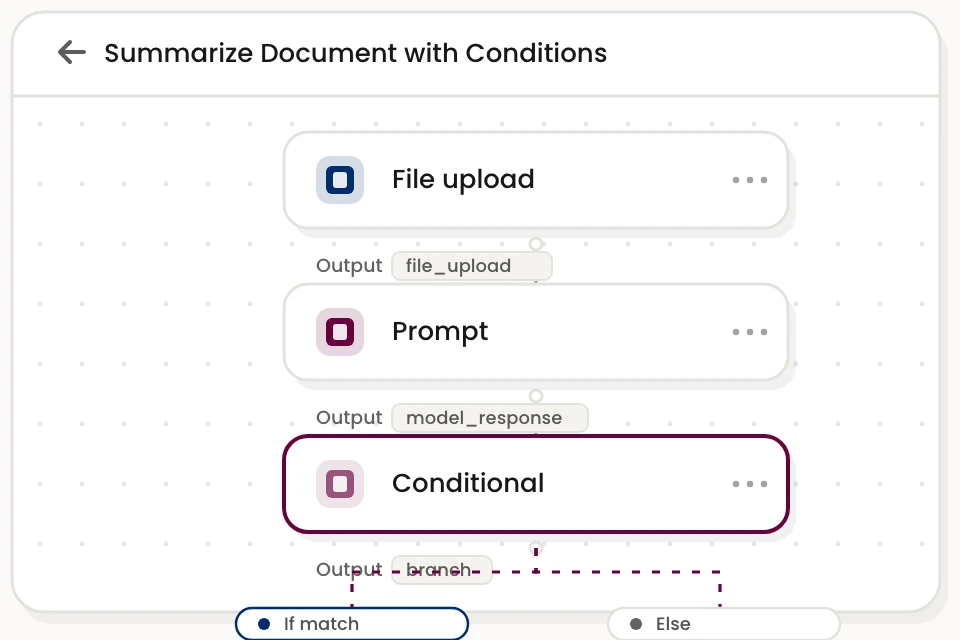
    Summarize Document with ConditionsFile uploadOutputfile_uploadPromptOutputmodel_responseConditionalOutputbranchIf matchElse