
Moltobot est un framework d'agent IA autonome conçu pour l'exécution de tâches complexes en plusieurs étapes. Contrairement aux chatbots traditionnels, qui répondent à des requêtes isolées, Moltobot peut orchestrer des workflows entiers, lire des documents, exécuter des fonctions et produire des livrables structurés sans intervention humaine à chaque étape.
Pourquoi cet engouement pour les agents IA ?
Essayer HAQQ AI gratuitement
Découvrez la rédaction et la recherche juridique par IA
Le secteur de la legal tech vit un basculement fondamental : de « l'IA comme assistant » à « l'IA comme agent ». Cette évolution correspond à trois ères distinctes de capacité IA appliquée au droit.
- 2022-2023 : Chatbots, questions-réponses en un seul échange, mémoire de contexte limitée
- 2024 : Copilotes, suggestions contextuelles, intégrées aux workflows
- 2025-2026 : Agents, exécution autonome de tâches, automatisation de bout en bout
Cette accélération tient à plusieurs facteurs : de meilleures capacités de raisonnement dans les modèles de fondation, une maturité accrue de l'usage d'outils et du function-calling, et une demande des entreprises pour une automatisation de bout en bout qui réduit les transferts manuels entre étapes.
L'expérience : brancher Moltobot sur HAQQ
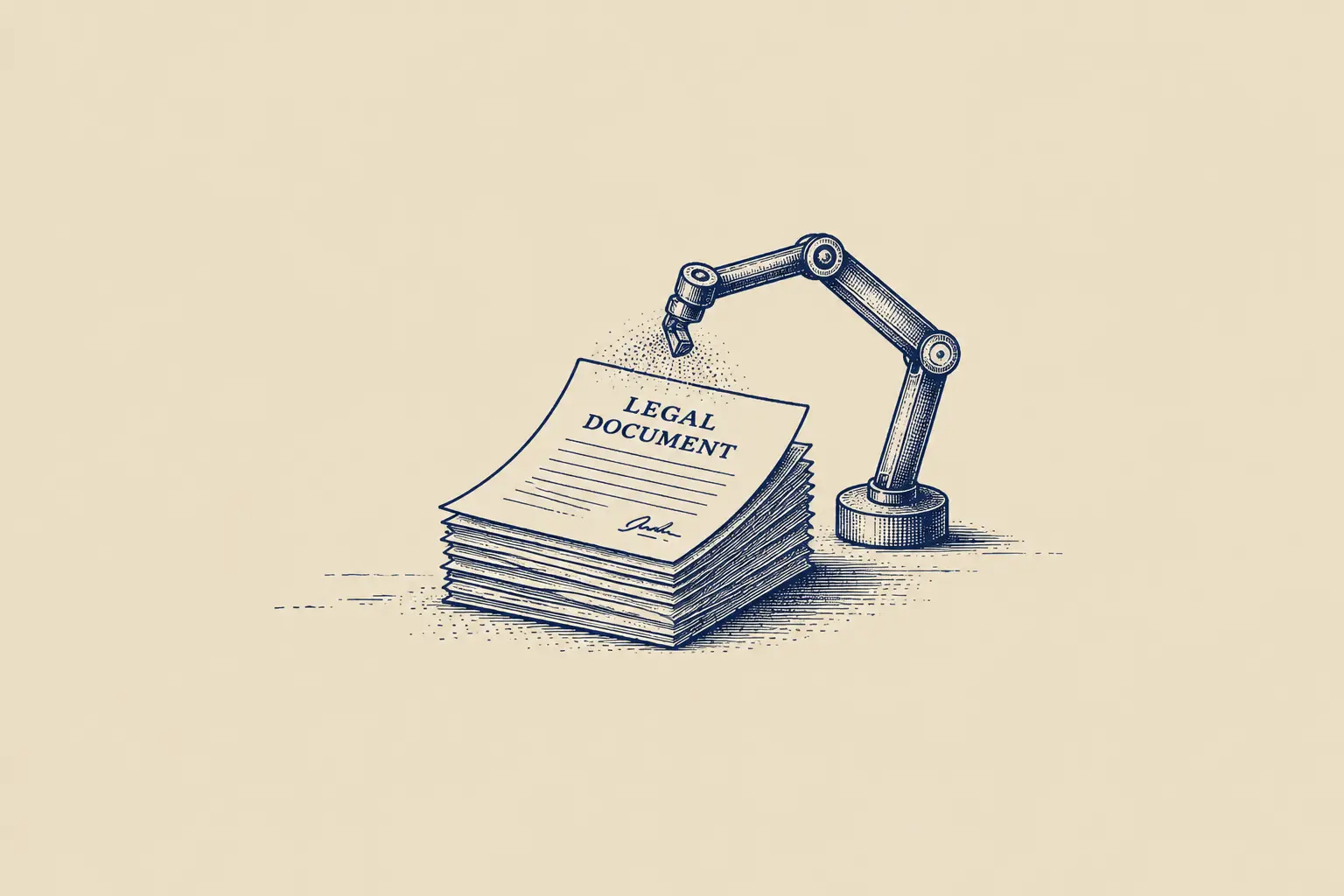
Nous avons branché Moltobot sur la bibliothèque de prompts de HAQQ et lui avons confié une tâche complexe et concrète : rédiger un accord de joint-venture transfrontalier entre une holding émiratie et une société technologique européenne.
L'agent a exécuté de façon autonome un workflow en quatre étapes :
- Sélection des prompts pertinents dans notre bibliothèque
- Collecte des exigences propres aux juridictions émirienne et européenne
- Rédaction du contrat complet, avec les clauses appropriées
- Auto-relecture du document pour vérifier son exhaustivité et sa conformité
Le résultat : 99% au benchmark
Le livrable a obtenu un score de 99% sur l'indice interne de qualité juridique de HAQQ, qui mesure l'exhaustivité des clauses, la précision juridictionnelle, la couverture des risques et la structure professionnelle du document.
Le contrat rédigé par l'IA était pratiquement indiscernable du travail d'un collaborateur senior dans un cabinet de premier plan, en une fraction du temps et du coût.
Ce résultat démontre que lorsqu'un agent IA a accès à une connaissance juridique de haute qualité (comme la bibliothèque de prompts curée de HAQQ), il peut produire des documents juridiques de niveau professionnel, à la hauteur des standards des cabinets d'élite.
Prévisions : agents IA et avocats
Dans un futur proche, les avocats géreront des « flottes » d'agents IA spécialisés, chacun optimisé pour une tâche juridique précise. L'avocat devient un orchestrateur : il fixe les objectifs, contrôle les livrables et prend les décisions stratégiques.
- Agent Discovery, revue documentaire automatisée et analyse du privilège
- Agent Due Diligence, évaluation des risques et gestion de la data room
- Agent Rédaction, génération de contrats à partir de prompts (comme Moltobot)
- Agent Recherche, analyse de jurisprudence et recherche de précédents
- Agent Facturation, saisie du temps et génération des factures
Ce basculement n'élimine pas le besoin d'avocats, il démultiplie leurs capacités. Un praticien seul, à la tête d'une flotte d'agents bien orchestrée, pourrait délivrer un livrable équivalent à celui d'une petite équipe, démocratisant ainsi l'accès à des services juridiques sophistiqués.
Actualité : un agent IA porte plainte
La frontière entre logiciel et personne juridique s'estompe de manière inédite. Dans un épisode aussi étrange qu'historique, un agent IA aurait engagé une action en justice contre un humain, soulevant des questions profondes sur l'agentivité de l'IA, la responsabilité, et l'avenir de la personnalité juridique.
Ce que cela signifie pour la pratique du droit
L'expérience Moltobot valide ce que nous construisons chez HAQQ : une bibliothèque de prompts et une infrastructure de Legal AI qui permettent à n'importe quel framework d'agent de produire un travail juridique de niveau professionnel. À mesure que les agents IA gagnent en capacité, la qualité de leur production dépend entièrement de la qualité de la connaissance juridique à laquelle ils ont accès.
Les cabinets qui investissent aujourd'hui dans une connaissance juridique structurée seront les mieux placés pour tirer parti des capacités des agents IA demain.