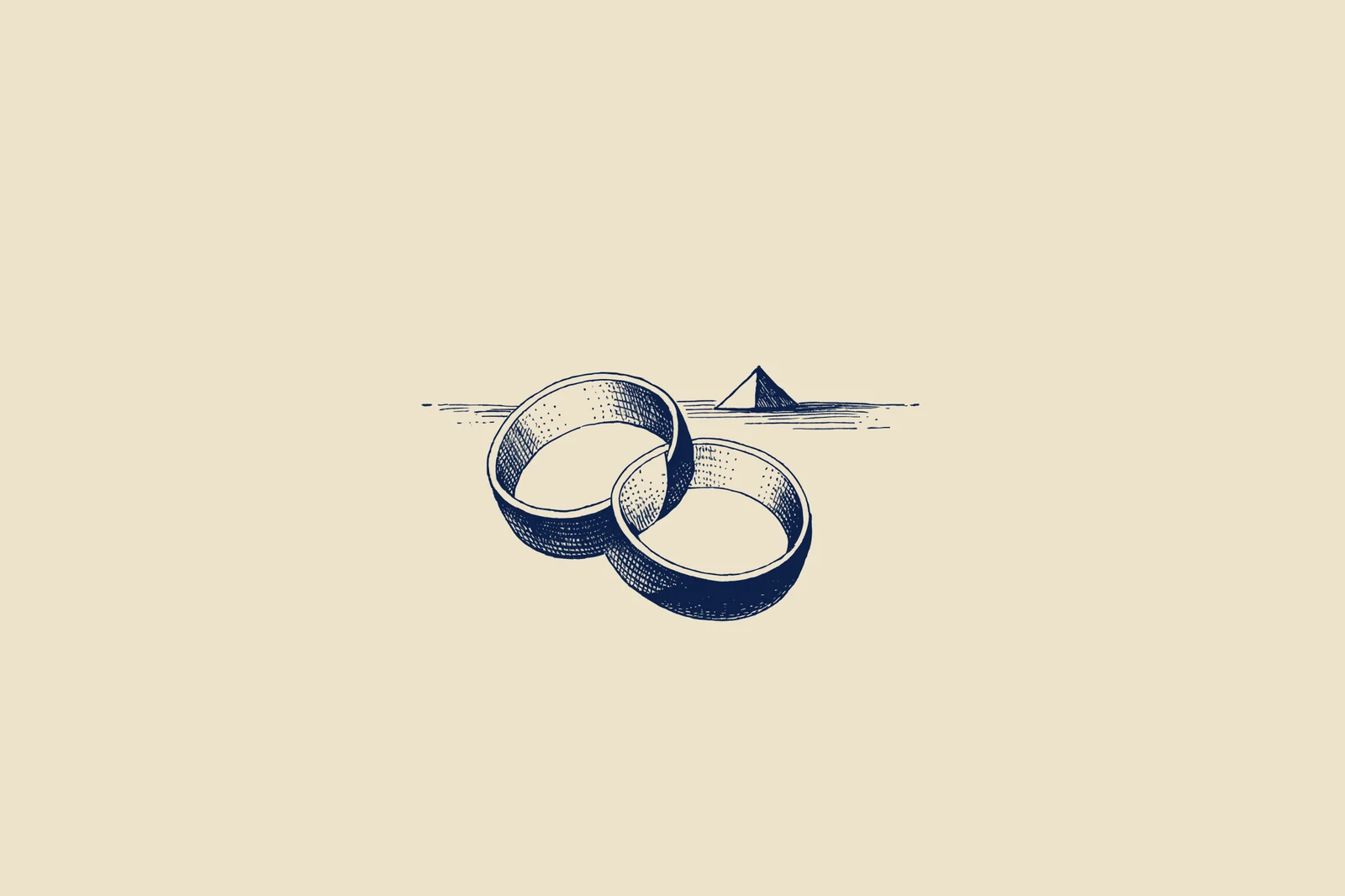
In short: khul in Egypt is a wife's right to end her marriage by court ruling without the husband's consent and without proving harm, in exchange for returning the dower she received and giving up her financial rights (deferred dower, support and compensation). It was introduced by Law No. 1 of 2000 and is heard by the Family Courts (Law No. 10 of 2004). A khul ruling is final and can't be appealed. Custody and child support aren't affected by khul. This is general information for educational purposes, not legal advice.
What is khul, in short?
HAQQ AI को मुफ्त में आज़माएँ
AI-संचालित कानूनी मसौदा और अनुसंधान का अनुभव करें
Khul is a way for a wife to end her marriage before the court when she refuses to continue living with her husband and fears she won't be able to keep within the limits set by God, even if the husband refuses the divorce. The core idea: you don't need his consent or proof that he mistreated you, but you pay a financial price: you return the dower you received and give up your remaining financial rights against him. This right was introduced by Law No. 1 of 2000; before that, a wife had to prove harm to obtain a divorce.
The practical difference matters: a fault-based divorce requires proof that can take a long time, while khul doesn't require proving harm, and its price is the financial waiver. That's why many women choose khul when they want to end the marriage relatively quickly and without a fight over evidence.
What's the legal basis?
Khul is grounded in Law No. 1 of 2000, which governs court procedure in personal-status matters (often referenced as Article 20). The case is filed with the Family Courts established under Law No. 10 of 2004, and it usually goes through the family dispute settlement office before being heard. To verify the exact statutory text, consult a lawyer or the official text.
Steps in a khul case
- Filing the case: the wife (or her lawyer) files a khul case with the competent family court where the wife or husband resides, usually after going through the family dispute settlement office.
- Offering to return the dower: the wife declares she is returning the dower she received (the advance portion) and giving up her legal financial rights.
- Reconciliation attempts: the court offers reconciliation, and if the couple has children, the reconciliation attempt is repeated twice (with time between) to protect the family.
- Appointing two arbitrators: the court may appoint two arbitrators to mediate between the spouses before ruling.
- Judgment: if the wife insists, returns the dower and gives up her financial rights, the court rules the divorce by khul. The ruling is final and can't be appealed.
What do you give up, and what do you keep?
The financial waiver in khul covers your rights against the husband: you return the advance dower you received and give up the deferred dower, support during the waiting period (iddah), and compensation. But note the important point: khul doesn't touch the children's rights. Their custody remains governed by the general rules, and their support is the father's obligation and isn't cancelled by khul, and neither are the costs of their care and housing under the applicable rules. That means you give up your own financial rights, not your children's rights.
Khul versus fault-based divorce (talaq al-darar)
| Aspect | Khul | Court-ordered divorce for harm |
|---|---|---|
| Husband's consent | Not required | Not required |
| Proof of harm | Not required | Must be proven in court |
| Financial consideration | You return the dower and give up your financial rights | Your financial rights generally remain |
| Appeal against the ruling | Final, no appeal | Appealable under applicable rules |
| Custody and child support | Not affected by khul | Not affected |
Documents, time and cost
Common documents: the marriage certificate, national ID, the children's birth certificates if any, and proof of the husband's address for service. Time varies by court, number of sessions and reconciliation attempts, particularly with children involved, which can stretch over months. Costs include court fees, lawyer fees (which vary by firm), and repaying the advance dower. Check current fees and documents with the relevant family court or a lawyer, since details can change.
Where HAQQ Legal AI helps
Disclosure: we build HAQQ Legal AI. You can ask: what's the difference between khul and talaq in my case? Which financial rights would I have to give up, and which stay with my children? What documents do I need to prepare before filing? HAQQ gives you a structured explanation that helps you understand the situation and prepare before seeing a lawyer, so you see things more clearly. Final decisions remain with a licensed lawyer.
Download the HAQQ Legal AI app free on iPhone and Android, with native Arabic support and correct right-to-left display. HAQQ isn't a law firm and doesn't provide legal advice; always consult a licensed lawyer for final decisions.
Legal notice and sources: this article is for general information and isn't legal advice. Verify with a licensed lawyer in Egypt and the official texts before any decision. Basis: Law No. 1 of 2000 (including Article 20 on khul), Family Courts Law No. 10 of 2004, and applicable personal-status regulations.