
Skip to content
    HAQQ
    • Prețuri
    Începeți gratuit
    Începeți gratuit
    Rezervați o demonstrație
    Autentificați-vă
    1. Solutions
    2. Topics
    3. Who Keeps the House in a Divorce
    ChatMobile

    Who keeps the house?

    It is usually the biggest asset and the hardest call. Here are the options (buyout, sale, deferred sale), and how to choose.

    Ask HAQQGet the App
    Constellation Node Network Hero
    Ask HAQQExample
    Nda Qa Chat Assistant

    Can HAQQ answer this and show its sources?

    Yes, HAQQ answers in plain language and backs every response with the specific law or clause it used, so nothing is a black box.

    Cited: Primary sources
    17,000+ law firms100,000+ people200+ countriesLegal AI ChateFirm

    What people get wrong

    The home is the hardest asset

    The family home is usually the largest thing a couple owns and the one with the most feeling attached. That mix of money and emotion is why "who keeps the house" is often the part of a divorce that stalls everything else.
    The short answer

    The short answer

    There is no automatic rule that one spouse keeps the house. It usually comes down to three options: one spouse buys out the other's share, the home is sold and the proceeds split, or the sale is deferred. Often until the children finish school. Which fits depends on the equity, who can afford it, and your property regime.

    First, is the house even marital?

    Before dividing it, the home has to be characterized. In equitable-distribution systems marital property is split fairly; in community-property and many civil-law regimes property acquired during the marriage is split more equally. A home owned before marriage or inherited may be separate. Though contributions during the marriage can complicate that. This varies by jurisdiction.

    The three routes, in short

    A buyout lets one spouse keep the home by paying out the other's share, but usually requires refinancing the mortgage into their name alone. A sale-and-split is the clean break. A deferred sale keeps the children in place for a set period, then sells. Affordability and refinancing rules vary. Confirm locally.

    How HAQQ helps

    Private by design (never trained on your data)

    Available inside HAQQ across chat, mobile, and eFirm workflows.

    Real legal citations

    Available inside HAQQ across chat, mobile, and eFirm workflows.

    Available 24/7 in your language

    Available inside HAQQ across chat, mobile, and eFirm workflows.

    How it works

    1

    Value it and find the equity

    Get a realistic valuation and subtract the outstanding mortgage to find the equity actually in play. Where the value is contested, an appraisal beats a guess.

    2

    Test what you can actually afford

    Check whether keeping the home means you can refinance the mortgage alone and carry the costs. Many buyouts fall apart at the refinancing step, not the agreement step.

    3

    Compare the routes, then confirm

    Ask HAQQ privately to compare a buyout, sale, and deferred sale against your equity, regime, and the children's situation, then confirm the tax and refinancing details with a professional. This is legal information, not legal advice.

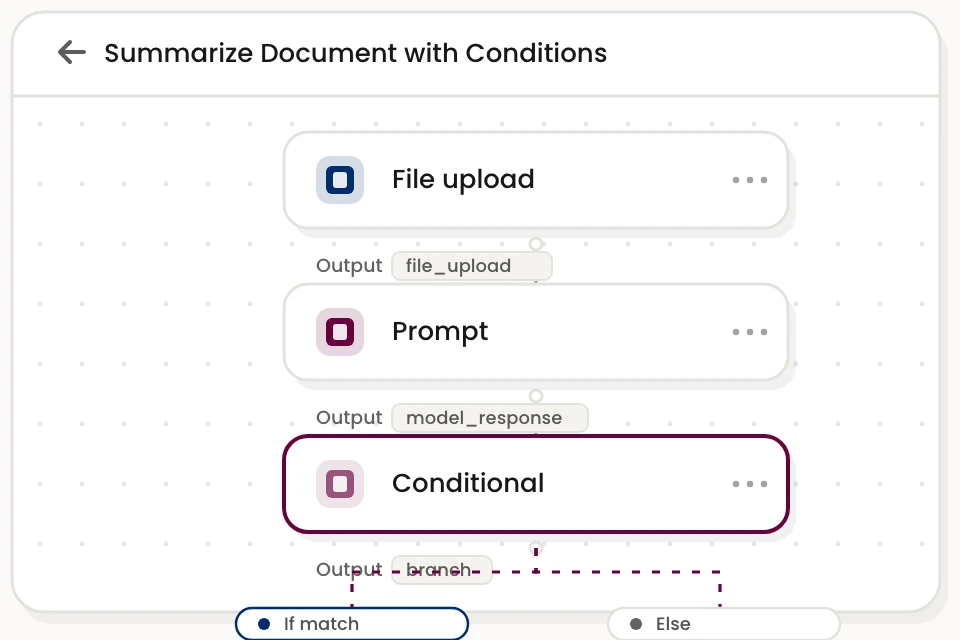
    Conditional Workflow Builder

    FAQ

    Does the parent with the children always keep the house?

    No. Keeping the children stable is one factor, but affordability and equity matter too. Some couples defer the sale for the children rather than transfer the home outright. It varies by jurisdiction and case.

    Do I have to refinance to keep the house?

    Usually yes if there is a joint mortgage. A buyout typically means refinancing into your name alone so the other spouse is released from the loan. Lender rules vary, so confirm with your lender.

    What if the house was mine before marriage?

    It may be separate property, but contributions during the marriage (mortgage payments, improvements, a co-owner's name) can give the other spouse a claim. Whether it stays separate varies by jurisdiction; confirm locally.

    Can we just sell it and split the money?

    Often yes. A sale and split is the cleanest option when neither spouse can afford to keep it. How the proceeds are divided follows your property regime.

    Related solutions

    Topics
    ChatMobile

    How is property divided in a divorce?

    It depends on your regime: equitable distribution, community property, or a civil-law matrimonial regime. Here is how each one splits the estate.

    Read the guide
    Topics
    ChatMobile

    Hidden assets in divorce

    Disclosure plus a careful read of the financials usually surfaces them. Here are the red flags and the tools that help.

    Read the guide
    Topics
    ChatMobile

    How is spousal support / alimony decided?

    It turns on the length of the marriage, the income gap, and need. Here is how amount and duration get set.

    Read the guide

    Browse other solutions

    By roleBy use caseFeaturesBy firm sizeBy countryBy cityFor individualsSpecialized

    Alăturați-vă celor peste 17.000 de echipe juridice care folosesc HAQQ

    Legal AI privat, cu citări, pe chat, mobil și eFirm.

    Începeți gratuitVedeți-l în acțiune
    HAQQ Legal AI Platform Logo

    Legal AI Twin-ul și sistemul de management al cabinetului dumneavoastră pentru redactare, facturare și câștig.

    Descărcați dinApp StoreObțineți-o peGoogle Play

    Documentații

    • Documentație se deschide într-o filă nouă
    • Primii pași se deschide într-o filă nouă
    • Sala de presă se deschide într-o filă nouă
    • Actualizări produs se deschide într-o filă nouă
    • Status se deschide într-o filă nouă
    • Securitate
    • Întrebări frecvente se deschide într-o filă nouă
    • Comunitate se deschide într-o filă nouă
    • Asistență se deschide într-o filă nouă

    Academie

    • Partener se deschide într-o filă nouă
    • Curs se deschide într-o filă nouă
    • Știri juridice se deschide într-o filă nouă
    • Competențe se deschide într-o filă nouă
    • Clauză se deschide într-o filă nouă
    • Prompt Library se deschide într-o filă nouă
    • Instrumente se deschide într-o filă nouă
    • Research Hub se deschide într-o filă nouă
    • Documente se deschide într-o filă nouă

    Site web

    • eFirm
    • Chat Legal AI
    • Mobile App
    • Justinian AI Engine
    • HAQQ eBar
    • HAQQ eWallet
    • Prețuri
    • Comparați-ne
    • Soluții
    • Blog
    • Cunoașteți echipa
    • Alăturați-vă nouă se deschide într-o filă nouă
    Deschideți aplicația
    • Limbienarfresitdeptrohi
    • Contactinfo@haqq.ai
    • Stareoperațional·împământat
    • Termeni și condiții
    • Politica de confidențialitate
    • Politica de cookie-uri
    • Prelucrarea datelor
    • Oameni se deschide într-o filă nouăAvocați se deschide într-o filă nouăSecuritate se deschide într-o filă nouă
    © 2026 HAQQ Inc. Toate drepturile rezervate.Produs conceput intern de HAQQ. Site web construit cu instrumente web moderne.
    Connected Intelligence
    Legal AssistantVendor.pdfWhat is the term of this NDA?A10:24The term is 3 years from signing,effective 1 Mar 2024, expiring 28 Feb 2027.§2.1Confidentiality, cl. 2.1Does confidentiality survive termination?A10:25Yes, obligations continue for 2 yearsafter expiry, until 28 Feb 2029.§5.4Confidentiality, cl. 5.4Can this agreement be terminated early?
    Summarize Document with ConditionsFile uploadOutputfile_uploadPromptOutputmodel_responseConditionalOutputbranchIf matchElse