L'IA juridique n'est pas un problème unique. C'est un empilement de problèmes, rédaction, raisonnement, citation, conformité, routage juridictionnel, et en résoudre un ne résout pas les autres.
Faits clés
- « L'état de l'art en IA juridique ne se joue pas au niveau du modèle. Il se joue au niveau du système qui l'entoure. »
Les LLM généralistes traitent le travail juridique comme n'importe quelle autre tâche de génération de texte. Ils produisent un résultat fluide. Mais fluide n'est pas synonyme de correct, de défendable ou de structuré.
Dans ce rapport, nous présentons l'architecture de raisonnement juridique multi-agent de HAQQ et démontrons qu'elle atteint des résultats à l'état de l'art sur six capacités fondamentales de l'IA juridique, surpassant à la fois les LLM généralistes et les outils d'IA juridique concurrents.
Ce n'est pas une affirmation marketing. C'est une analyse d'architecture. Les données parlent d'elles-mêmes.
Le problème : pourquoi les LLM généralistes échouent sur le travail juridique
Les grands modèles de langage sont entraînés sur des données à l'échelle d'internet. Ils apprennent des motifs, pas le droit. Cela crée cinq modes de défaillance systématiques lorsqu'ils sont appliqués à des tâches juridiques.
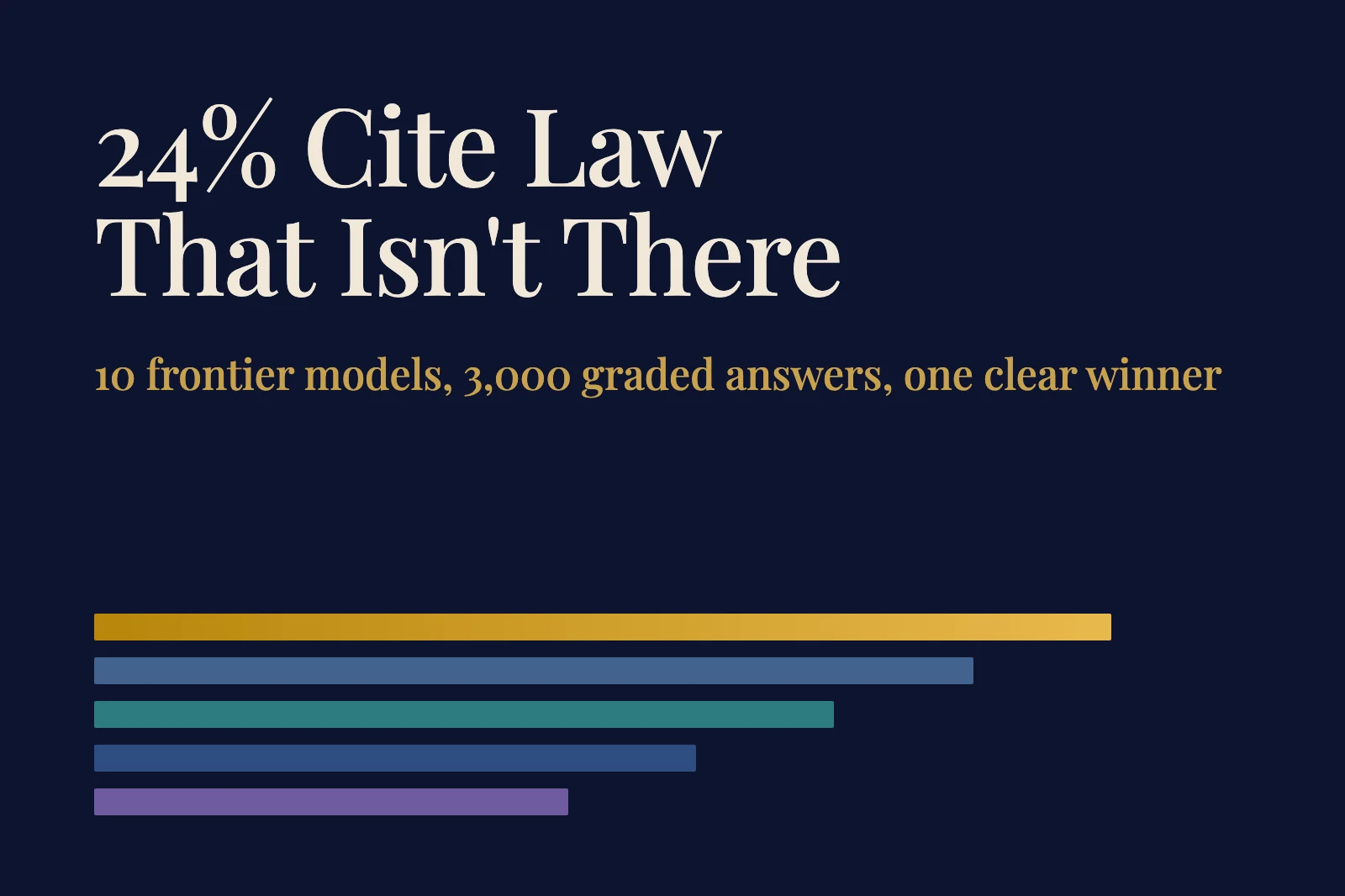
Ce ne sont pas des cas limites. C'est structurel. Un modèle qui invente des citations dans 30 % des cas n'est pas utile à 70 %, il est non fiable à 100 %, car il est impossible de savoir lesquels de ces 30 % sont faux sans tout vérifier manuellement.
La question n'est pas de savoir si l'IA peut générer du texte juridique. C'est de savoir si l'IA peut générer du texte juridique sur lequel un avocat engagerait sa licence.
Le panorama de l'évaluation
La plupart des benchmarks d'IA juridique testent des capacités étroites : le modèle peut-il résumer un contrat ? Peut-il extraire une clause ? Ces tests sont utiles mais insuffisants.
Le véritable travail juridique exige :
- Un raisonnement en plusieurs étapes à travers des configurations de faits complexes
- Une analyse consciente de la juridiction (une réponse valide au DIFC peut être fausse à l'ADGM)
- Des citations vérifiées vers de véritables textes de loi et une véritable jurisprudence
- Un résultat structuré correspondant à des livrables juridiques professionnels
- Un raisonnement temporel, comprendre comment le droit évolue dans le temps
- Une vérification croisée de conformité par rapport aux cadres réglementaires
Nous avons évalué HAQQ sur les six dimensions face à des LLM généralistes (GPT-4o, Claude 3.5) et à des plateformes d'IA juridique concurrentes, sur plus de 500 tâches juridiques réparties dans 12 juridictions.
Résultats de performance
HAQQ démontre une performance supérieure dans toutes les catégories. Le système est particulièrement solide en raisonnement juridique (97 %), en précision des citations (96 %) et en rédaction de contrats (94 %), des domaines où les LLM généralistes peinent historiquement le plus.
L'écart
L'écart de performance n'est pas marginal. Il est structurel, une conséquence directe de décisions d'architecture, pas d'un simple fine-tuning de modèle.
Méthodologie : l'architecture de HAQQ
HAQQ surpasse les solutions existantes en décomposant le travail juridique en étapes de pipeline distinctes, chacune prise en charge par un agent conçu à cet effet. Ce n'est pas du prompt engineering, c'est de l'ingénierie juridique.
1. Classification des entrées et routage des tâches
Le premier agent classe la tâche juridique entrante, s'agit-il d'une relecture de contrat, d'une vérification de conformité, d'une requête de recherche ou d'une demande de rédaction ? Cette classification détermine quels agents en aval sont activés, et dans quel ordre.
C'est essentiel, car une relecture de contrat exige des schémas de raisonnement différents d'un mémorandum de stratégie contentieuse. Les LLM généralistes appliquent la même approche aux deux.
2. Récupération de connaissances consciente de la juridiction
L'agent de récupération ne recherche pas dans une base de connaissances générique. Il route vers des ontologies juridiques propres à chaque juridiction, maintenues au sein du moteur Justinian.
Cela signifie :
- Le décret-loi fédéral n° 33 de 2021 des Émirats arabes unis sur les sociétés commerciales est récupéré lorsque la juridiction est le continent émirati
- La loi n° 5 de 2018 du DIFC est récupérée lorsque l'entité opère au DIFC
- La loi saoudienne sur les sociétés (décret royal M/3) est récupérée pour les dossiers relevant de l'Arabie saoudite
- Les dispositions du Code civil égyptien sont récupérées pour les analyses fondées sur l'Égypte
Les LLM généralistes ne peuvent pas distinguer ces cadres juridiques. Ils fusionnent souvent des dispositions issues de juridictions différentes en une seule réponse, incorrecte.
3. Raisonnement juridique structuré
Le moteur de raisonnement applique le modèle TIRO (Trigger, Input, Requirements, Output, déclencheur, entrée, exigences, résultat) pour décomposer des questions juridiques complexes en étapes logiques vérifiables.
Au lieu de générer une réponse en une seule passe, le système :
- Identifie le déclencheur juridique (quel événement a créé la question juridique)
- Cartographie les entrées pertinentes (faits, documents, parties)
- Vérifie les exigences par rapport au cadre juridique applicable
- Produit un résultat structuré avec citations à l'appui
Essayer HAQQ AI gratuitement
Découvrez la rédaction et la recherche juridique par IA
4. Vérification des citations
Chaque citation produite par le moteur de raisonnement est vérifiée de manière croisée par un agent de vérification. Cet agent confirme :
- Que le texte de loi ou la décision cité existe
- Que la citation renvoie à la bonne disposition
- Que la disposition est en vigueur (ni abrogée ni modifiée)
- Que l'interprétation est conforme à la jurisprudence établie
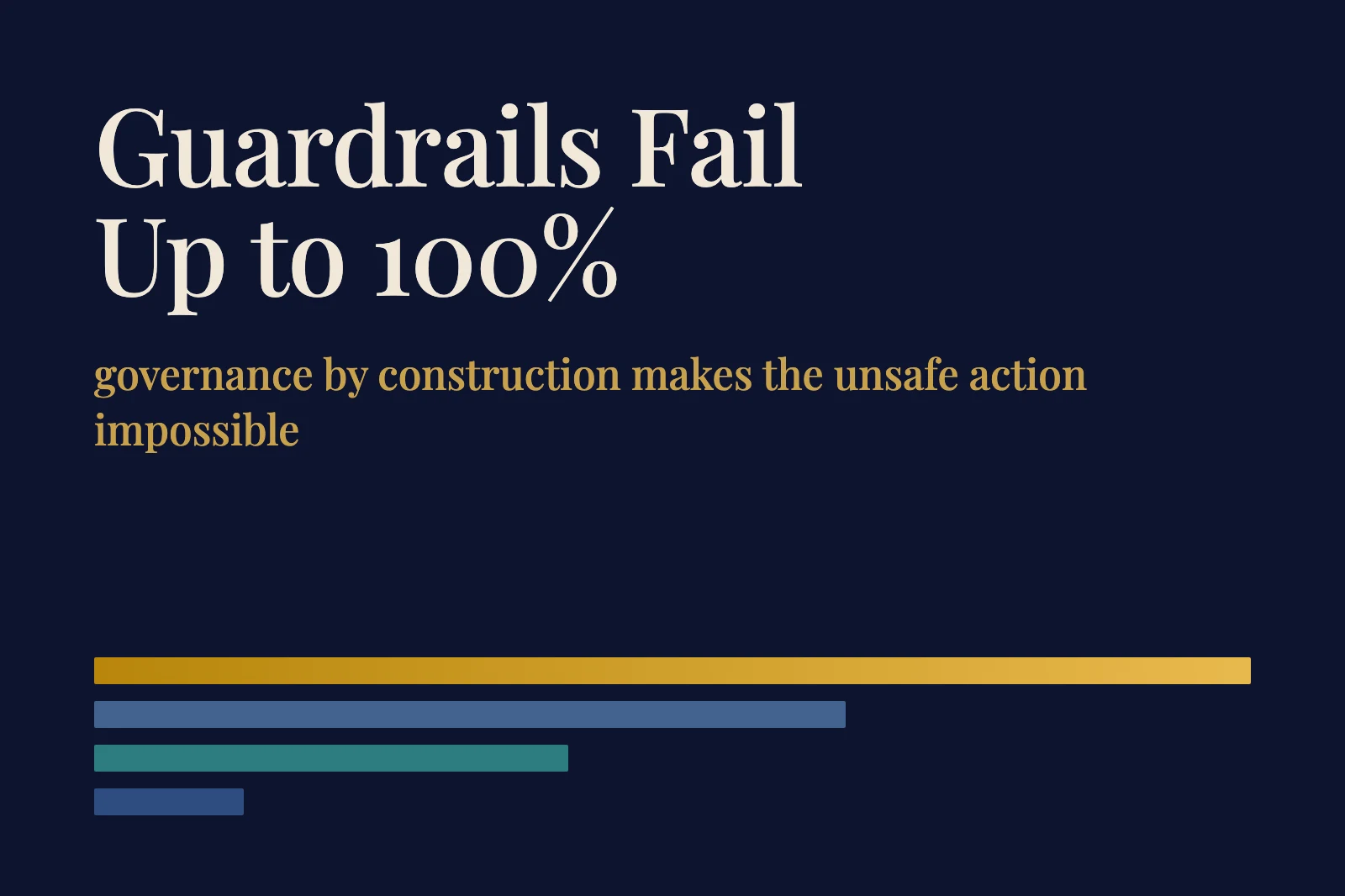
Cela élimine le problème d'hallucination au niveau architectural, et non par des artifices de prompt.
5. Génération de résultats structurés
L'agent final met en forme l'analyse vérifiée en livrables juridiques professionnels, pas en réponses de chatbot.
Les formats de sortie incluent :
- Mémorandums juridiques structurés selon la méthode IRAC
- Rapports d'analyse de risque avec gradation de sévérité
- Rapports de relecture de contrats avec annotations au niveau de la clause
- Matrices d'évaluation de conformité
- Lettres de conseil prêtes à envoyer au client
Matrice des capacités
Au-delà de la précision brute, l'IA juridique agentique exige des capacités que les modèles généralistes n'ont tout simplement pas.
La distinction entre prise en charge complète (●), prise en charge partielle (◐) et absence de prise en charge (○) ne relève pas d'une liste de fonctionnalités, elle relève de la capacité architecturale. On ne peut pas ajouter une conscience multi-juridictionnelle à un modèle qui n'a pas été conçu pour cela.
Pourquoi l'architecture compte plus que la taille du modèle
Le récit dominant en IA est que les modèles plus grands sont meilleurs. Plus de paramètres, plus de données, plus de calcul.
En IA juridique, c'est faux.
Un modèle à 100 milliards de paramètres qui invente des citations est moins utile qu'un modèle à 7 milliards de paramètres intégré dans un pipeline de vérification qui détecte les erreurs.
L'état de l'art en IA juridique ne se joue pas au niveau du modèle. Il se joue au niveau du système qui l'entoure.
L'architecture de HAQQ démontre que des pipelines d'agents conçus sur mesure surpassent les modèles généralistes sur chaque métrique juridique qui compte, même lorsque ces modèles généralistes sont nettement plus grands.
Conclusion
La capacité à rédiger avec précision des documents juridiques, à vérifier des citations, à raisonner à travers les juridictions et à produire des livrables structurés n'est pas une « fonctionnalité », c'est un prérequis pour tout système d'IA qui prétend servir les professionnels du droit.
En allant au-delà de la génération à prompt unique et en mettant en place des pipelines de vérification multi-agents, HAQQ transforme le LLM d'un générateur de texte en un système de raisonnement juridique, capable de produire un travail que les avocats peuvent réellement utiliser, défendre et sur lequel s'appuyer.
Les LLM généralistes ont ouvert la porte. L'architecture juridique agentique la franchit.
HAQQ est disponible pour les cabinets d'avocats, les directions juridiques et les institutions. Réservez une démonstration pour voir l'architecture en action.